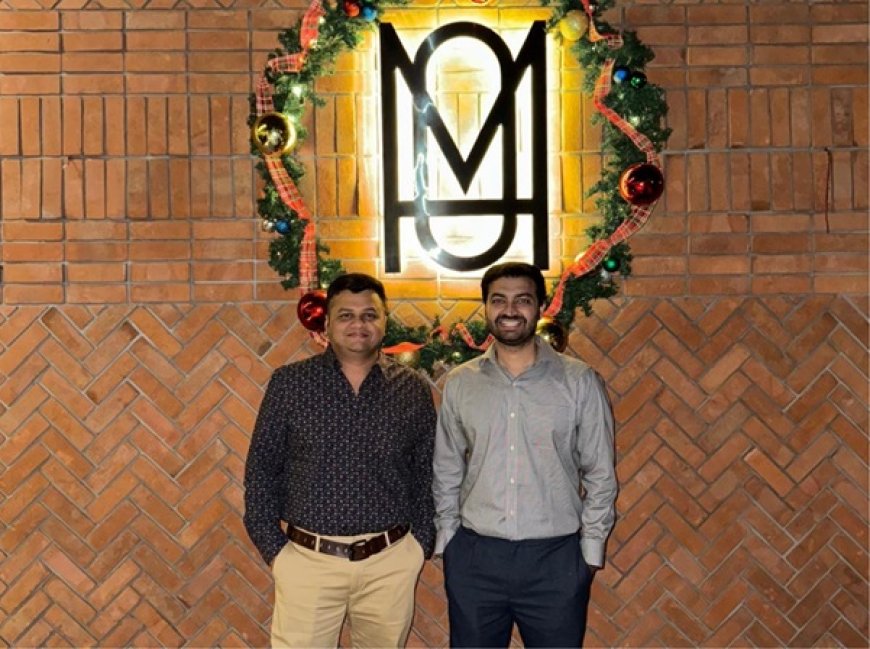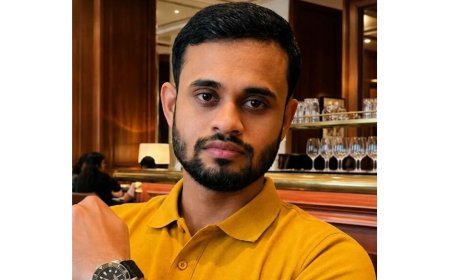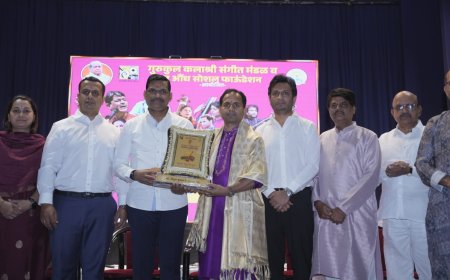
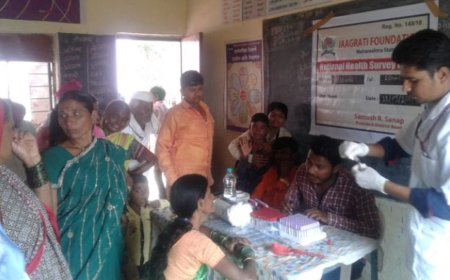




















House of Mori comes together through two distinct ways of thinking, held in alignment, each shaping the other over time.

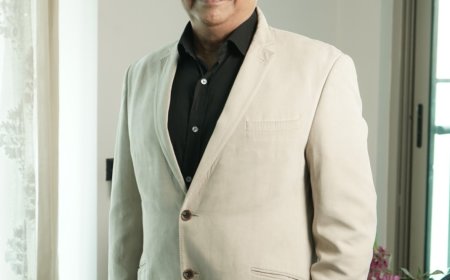
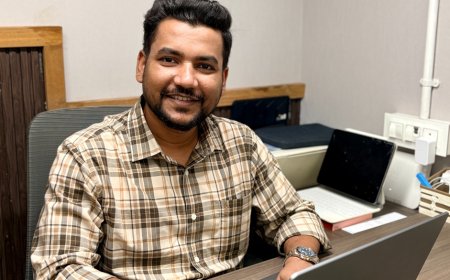
For Bhavendra Parmar, the project extends from his work in real estate, though not in any conventional sense. The land was never approached as something to be developed and concluded, but as something that could evolve, hold layers of use and memory, and continue to give back over time. Hospitality emerged from that instinct, as a way of creating a space that does not ask to be passed through, but stayed within.

His involvement remains closely tied to the making of the space. From its architectural form to the finer grain of material and detail, his presence carries through each stage, allowing the space to come together without losing its original clarity.
Alongside him, Dr. Siddharth Parmar brings a different steadiness. With a background in medicine, his work is shaped by discipline, repetition, and care. Within House of Mori, this finds its place in the way the space is held together, through its people, its systems, and the continuity of how it runs each day.
Their roles are not fixed, but understood. Where one extends the idea, the other steadies it. The balance is not announced, but felt.
The starting point was simple. Silvassa had no shortage of places to go out. Very few you felt like returning to.
House of Mori rests within that gap. A space that allows time to lengthen, mornings easing into afternoons, afternoons drifting without notice, evenings settling without being marked.
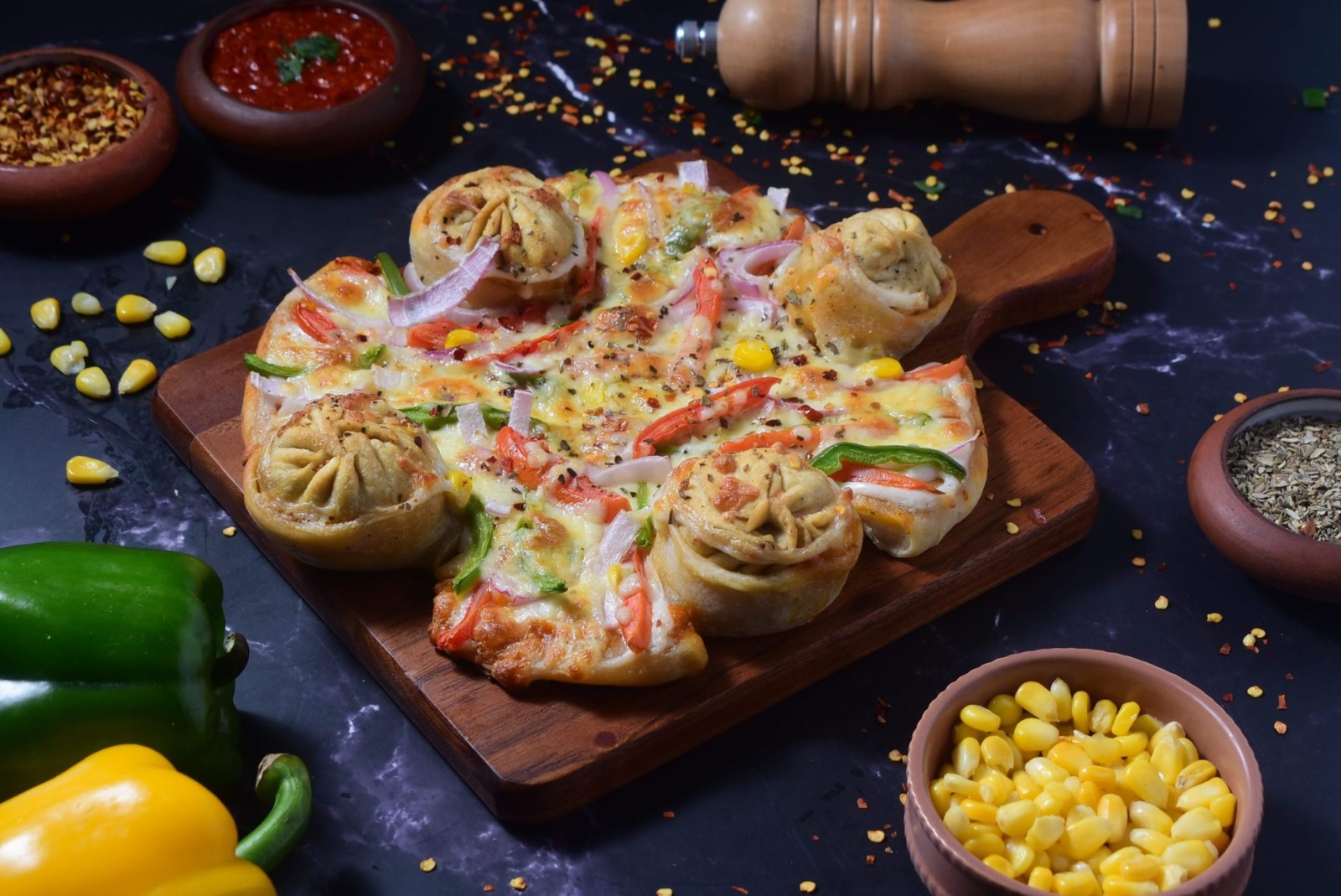
The menu follows the same rhythm. Pan Asian, Italian, and Indian come together without insistence, alongside a coffee offering that has, over time, become its own anchor.
Today, it draws people from across Silvassa and nearby regions, not out of curiosity, but out of habit, familiarity, and return.
What defines it, in the end, is not any single element, but the way it holds, through restraint, through clarity, and through a shared understanding that continues to shape it.