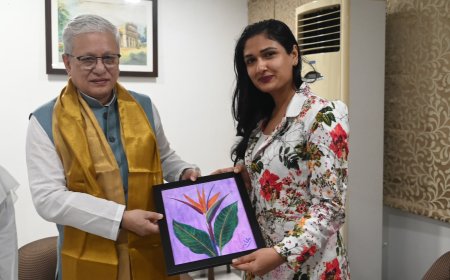
From breakthrough technologies such as AI-driven embryo selection and genetic screening to the growing importance of emotional well-being in fertility treatment, Dr. Pai shares valuable insights on the challenges modern couples face, the innovations redefining patient outcomes, and how India can emerge as a global hub for world-class reproductive care.
1. Dr. Hrishikesh Pai, as one of India’s most respected fertility specialists and a pioneer in assisted reproductive technology, how have you seen the IVF landscape evolve globally over the years, and what role has India played in this transformation?
The IVF landscape has undergone a remarkable transformation over the last few decades from being considered a highly specialized, experimental procedure to becoming a mainstream and highly successful solution for infertility worldwide. Advances in laboratory technologies, embryo culture systems, genetic screening, and personalized treatment protocols have significantly improved outcomes, making fertility care more precise and accessible.
India has played a crucial role in this evolution. We have moved from being adopters of global innovations to becoming contributors to the advancement of reproductive medicine. Indian fertility specialists and institutions have developed world-class expertise, achieved success rates comparable to leading international centers, and made fertility treatment more cost-effective and scalable. India’s growing role in research, medical innovation, and skilled clinical practice positions it as an important global player in shaping the future of assisted reproductive technology.
2. Having been at the forefront of introducing advanced fertility treatments and shaping reproductive healthcare in India, what do you believe are the most significant breakthroughs in IVF today that are improving patient outcomes and success rates?
One of the most impactful breakthroughs has been the integration of advanced embryo assessment technologies, including time-lapse imaging and AI-assisted embryo selection, which allow us to identify the most viable embryos with greater accuracy. This has significantly improved implantation and pregnancy success rates.
Another major advancement is preimplantation genetic testing (PGT), which helps identify chromosomally healthy embryos, reducing miscarriage risks and improving outcomes, especially for older patients or those with recurrent IVF failures. Fertility preservation techniques such as egg and embryo freezing have also empowered individuals to make proactive reproductive choices. Additionally, more personalized stimulation protocols and minimally invasive treatment approaches have improved patient comfort and treatment efficiency. Together, these innovations are making IVF more precise, safer, and increasingly successful.
3. As a globally recognized voice in fertility and reproductive medicine, you have consistently advocated for greater awareness around fertility health—what are the most pressing fertility challenges facing modern couples today, particularly in urban India?
One of the biggest challenges today is delayed parenthood. Many couples are choosing to start families later due to career priorities, financial planning, or personal circumstances, often underestimating the impact of age on fertility especially female fertility.
Urban lifestyles also contribute significantly to fertility concerns. High stress levels, sedentary habits, poor nutrition, environmental pollution, and rising cases of lifestyle disorders such as obesity and PCOS are increasingly affecting reproductive health in both men and women. Additionally, male infertility, though often overlooked, is becoming a major contributor to fertility struggles.
Equally concerning is the lack of timely fertility awareness and persistent stigma around seeking help. Many couples delay consultations due to misconceptions or emotional hesitation. Early education, proactive fertility assessments, and open conversations are essential to addressing these challenges effectively.
4. With your extensive experience in building world-class fertility care ecosystems, how do you see India strengthening its position as a global hub for IVF and reproductive treatment excellence?
India has immense potential to become a leading global destination for fertility care. We already offer a strong combination of clinical expertise, advanced technology, and affordability three factors that are highly attractive to both domestic and international patients.
To strengthen this position further, we need continued investment in research, robust quality standards, and greater collaboration between clinicians, scientists, and policymakers. Standardization of care, ethical transparency, and comprehensive patient support systems will be critical in building trust and maintaining excellence.
Additionally, India can lead in fertility education, training, and innovation. By nurturing talent and expanding access to advanced reproductive care across cities, we can create a sustainable ecosystem that not only serves our population but also establishes India as a trusted global center for reproductive medicine.
5. Throughout your career, you have emphasized not just clinical success but also compassionate patient care. How important is emotional and psychological support in a couple’s fertility journey, and how can the healthcare ecosystem address this better?
Emotional and psychological support is absolutely fundamental to fertility care. Infertility is not just a medical condition it is often an emotionally overwhelming experience that can impact mental health, relationships, and self-esteem.
Couples navigating fertility treatment need empathy, reassurance, and a safe space to process their emotions. Integrating counseling services, mental health support, and patient education into fertility care should not be optional, it should be standard practice.
Healthcare providers must adopt a more holistic approach, where success is measured not only by pregnancy outcomes but also by the patient’s overall well-being throughout the journey. Better communication, support groups, and compassionate care frameworks can significantly reduce anxiety and help patients feel empowered and supported.
6. As someone leading conversations around innovation in reproductive medicine, how do you see technologies like AI-driven embryo selection, genetic screening, and personalized fertility treatments shaping the future of IVF?
The future of IVF is increasingly data-driven, predictive, and personalized. AI-driven embryo selection is already helping embryologists make more objective and accurate decisions, improving success rates while reducing subjectivity.
Genetic screening is transforming preventive reproductive medicine by enabling healthier pregnancies and reducing the risk of inherited conditions. At the same time, personalized fertility treatments designed around an individual’s hormonal profile, genetic background, and reproductive history are helping us move away from a one-size-fits-all approach.
These technologies will continue to enhance precision, reduce treatment burden, and improve outcomes. However, it is equally important to ensure ethical use, patient understanding, and accessibility so that innovation benefits a broader population.
7. Dr. Pai, having helped countless families realize their dream of parenthood, what message would you like to share with couples who may be hesitant to seek fertility support or are navigating the emotional complexities of infertility?
My message is simple: you are not alone, and seeking help is a sign of strength, not failure. Infertility can feel isolating, but it is far more common than many people realize and today, there are more solutions and support systems available than ever before.
Do not allow fear, stigma, or misinformation to delay seeking guidance. Early consultation can provide clarity, options, and often better outcomes. Every fertility journey is unique, and while the path may sometimes feel difficult, hope and possibility remain very real.
Above all, be kind to yourselves. Parenthood can take many forms, and with the right support, compassion, and medical care, many dreams can become reality.