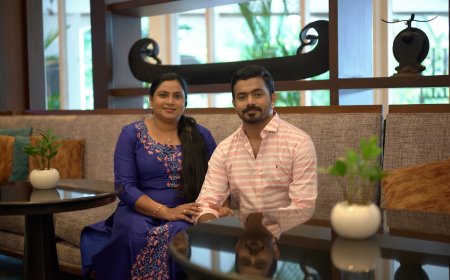
In contemporary Indian homes, a subtle yet significant shift is underway—one that favours intention over ornamentation. As spaces become more curated and reflective of personal taste, the objects within them are evolving too. Homeowners are moving away from excess and toward pieces that feel considered, functional, and enduring. Within this landscape, Vilása Home, a direct-to-consumer brand founded by Puja Gambhir and Neetu Jaggi, is contributing to a new design language—one that reinterprets traditional Indian materials for modern living.
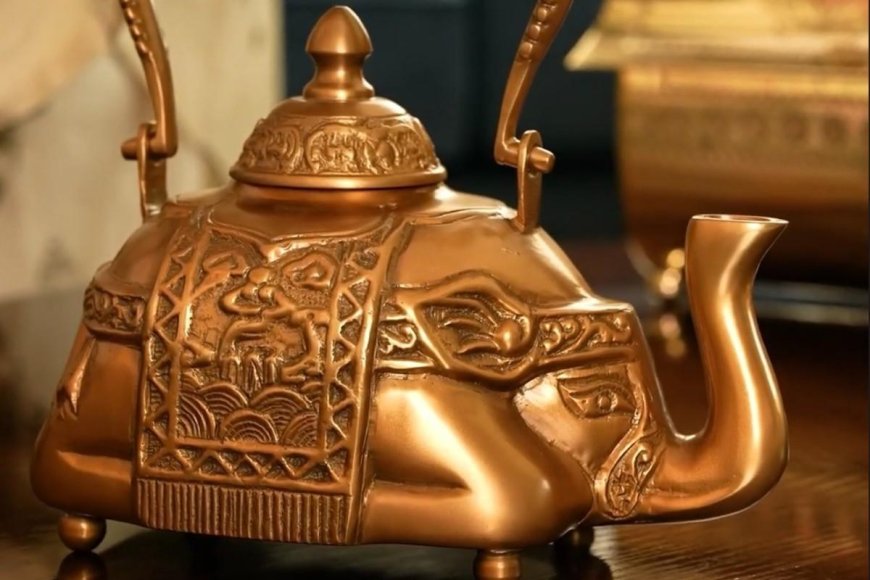
At the centre of Vilása’s design philosophy is brass, a material deeply embedded in India’s cultural and domestic history. Often associated with ritual and tradition, brass has long carried a certain visual weight—ornate, intricate, and sometimes overwhelming in contemporary settings. Vilása challenges this perception by approaching brass not as a decorative element, but as a refined design medium.
“We’ve always believed that Indian materials don’t need reinvention, just reinterpretation—design should make them feel effortless in today’s homes,” the founders share.
This philosophy is evident in the brand’s approach to form and finish. Rather than leaning into excessive detailing, Vilása focuses on clarity—clean silhouettes, balanced proportions, and finishes that feel restrained yet elevated. By doing so, the brand allows the inherent richness of brass to take centre stage without overpowering a space.
This approach aligns with a broader shift in how modern consumers view their homes. Today’s interiors are less about display and more about experience. Objects are chosen not just for how they look, but for how they function within everyday life. There is a growing preference for pieces that can transition seamlessly between daily use and moments of hosting—objects that feel natural in both settings.
Vilása’s collections are designed with this versatility in mind. Whether placed on a dining table, a console, or integrated into daily rituals, these pieces are meant to be lived with. Their tactile quality and balanced design ensure that they do not feel like occasional décor, but rather a consistent part of the home.
Another factor driving this shift is a renewed appreciation for materials that age gracefully. In contrast to mass-produced, trend-driven products, materials like brass offer longevity and character. Over time, they develop a patina that adds depth and individuality—qualities that resonate with consumers seeking more meaningful, lasting purchases.
Vilása’s work sits at the intersection of these evolving preferences. By simplifying form while preserving material richness, the brand creates objects that feel timeless without being bound to tradition in a rigid way. This balance—between heritage and modernity—is what allows the pieces to integrate effortlessly into contemporary spaces.
More broadly, this reflects a cultural moment in India. As consumers become more globally aware, there is also a stronger desire to stay connected to local materials and sensibilities. However, this connection is no longer expressed through replication of the past, but through reinterpretation. The focus has shifted from preserving tradition exactly as it was, to adapting it for how people live today.
Brands like Vilasa Home are playing a key role in this transition. By refining rather than reinventing, they are reshaping how materials like brass are perceived—moving them from purely traditional contexts into the core of modern design.
As Indian homes continue to evolve, so too does the definition of luxury. It is no longer about excess or ornamentation, but about thoughtfulness, material integrity, and quiet confidence. In this changing landscape, Vilasa Home exemplifies a more nuanced approach—where design is not loud, but lasting.