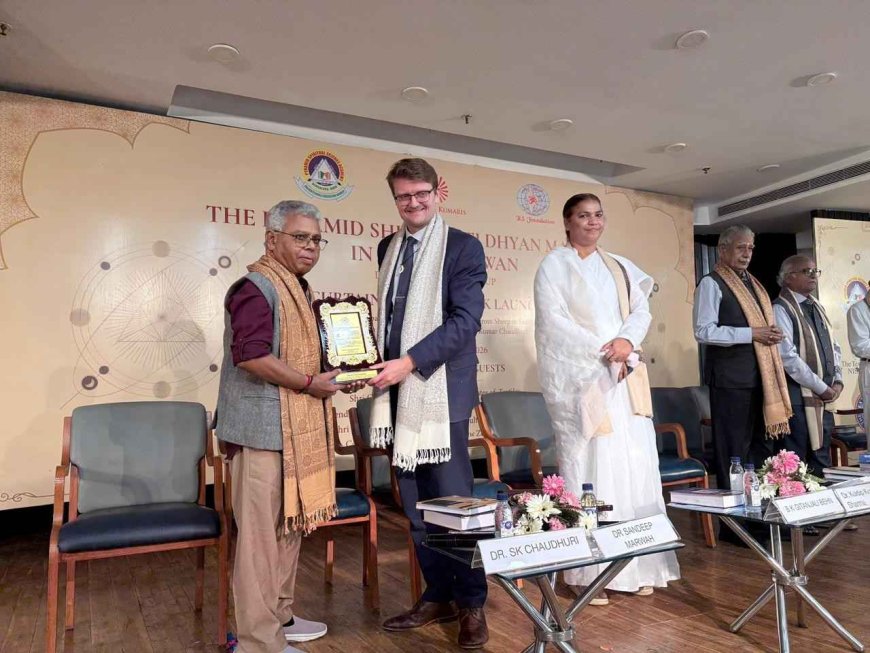
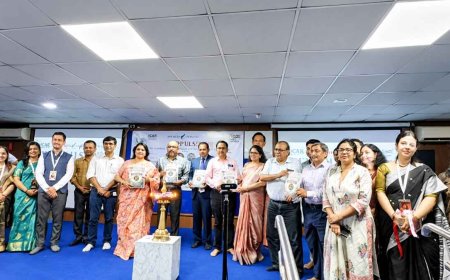
Speaking at the launch, Dr. Chaudhuri shared the thinking behind the book. He observed that wool is an ancient fibre, going back to the time of Harappa and Mohenjo-daro, and that so much has been written about it over the centuries that no one could read it all in a lifetime. His purpose, he said, was not to add to that volume but to make it accessible — a simple, readable and user-friendly book for textile students who are new to the field, for workmen at the early stages of the industrial ladder, and for middle management aspiring to become bigger players in the wool textile industry.
He added that the book also brings together a considerable body of information that is not easily available in the market or in the books that already exist. Much of it, he noted, lies scattered across technical papers, industry reports and years of working experience, and has never before been gathered under a single cover.

The work traces wool across its full journey — from the animal that grows it to the garment that reaches the consumer. It covers the structure and properties of the fibre, the processes that convert fleece into fabric, and the environmental case for wool as a renewable and biodegradable natural fibre. A substantial portion is devoted to the Indian wool industry: its breeds, its regional clusters, the position of the shepherd within the value chain, and the reasons why a country with one of the world's largest sheep populations remains a modest presence in the global wool trade.
Dr. Chaudhuri brings several decades of association with the textile field to the subject. He is a former Vice Chairman (Global) of The Textile Institute, headquartered in Manchester, and formerly Chairman of its India National Office. He has also served as Chairman of the Technical Sub-Committee for Textile Skill Development, and is a graphologist and graphotherapist.
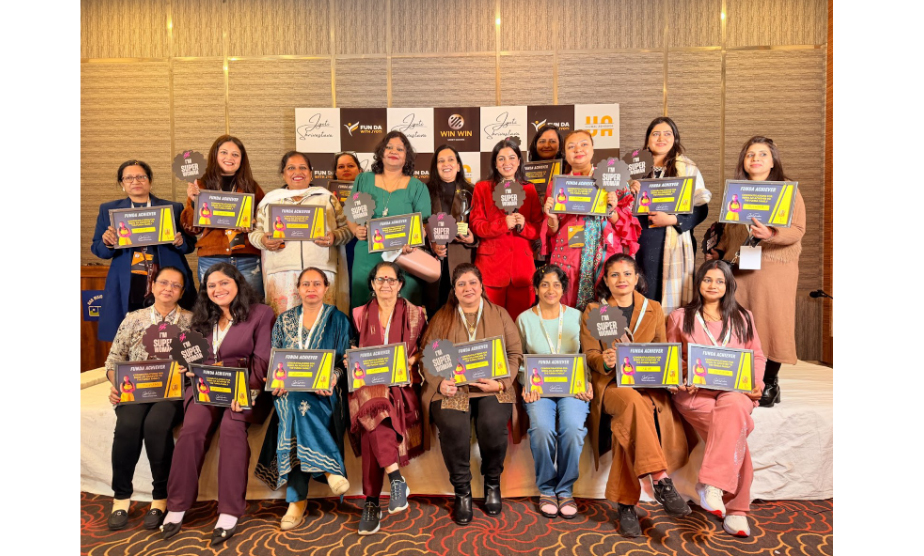
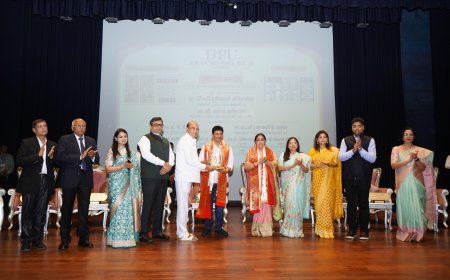
The release formed part of a wider evening organised by the Pyramid Spiritual Science Academy, Brahma Kumaris and the R.S. Foundation. The programme opened with networking tea and went on to include a Bharatanatyam recital by Ms. Anannya Chatterjee, the curtain raiser for The Pyramid ShivShakti Dhyan Mandir in Prabhu Upwan, and the conferment of awards recognising outstanding contributions to benevolent and community service. The evening concluded with a lavish dinner, with guests staying on well past the formal programme.
By any measure the evening was a success — a well-attended launch, an engaged audience, and a subject that drew serious interest from across the textile fraternity.
Wool: From Sheep to Sustainability is published by Woodhead Publishing India in Textiles and is now available in the market.