



















The entrepreneur further says, “For an agrarian and a vastly rural based economy, after agriculture this segment perhaps employs the second largest majority of our work force. The artisan economy is so widespread that it directly and indirectly is the second largest generator of employment after the agriculture sector. According to some statistics, more than 50% of artisans belong to marginalized groups and this segment sees more engagement from rural women.”
We asked Mr. Ramesh Chaurasia where the artisan economy stands today in the modern landscape of a fast-growing India?
He says, “India is trying to meet the sustainable development goals set by the United Nations and if this sector is supported well, it can actually help us meet more than half of those goals because of the growth potential this sector has. With the government’s focus on self-employment and self-reliance, and many areas of this economy falling under MSME’s, we can use this sector as one of the fuels to run the engine of growth to take India forward.”
Talking about creating an environmentally sustainable economy which is the need of the hour for the whole world, he says, “Another important area where this sector becomes really important for us is in our desire to make our progress environmentally sustainable. When we are looking to find eco friendly alternatives to products right from the ones used in homes to those used in industries, many of the sectors from this economy can cater to this demand and revive our traditional occupations at the same time. The time is ripe to introduce modern technology, provide impetus for growth with financial support and micro finance so that these traditional occupations also become lucrative for our future generations.”
Many social enterprises and bigger companies are now working to introduce some aspects of the formal economy into this informal economy so that the best from both can provide a chance for scalability as well as allow the economy to meet the challenges of modern times. While there was a definite negative impact on the sector during the pandemic, post pandemic, the sector has seen a resurgence which has also been fuelled by digitalization. This is why we need to work on promoting digital literacy so that artisans are no longer limited by space and can fit in India’s dream of a more inclusive and levelled society.
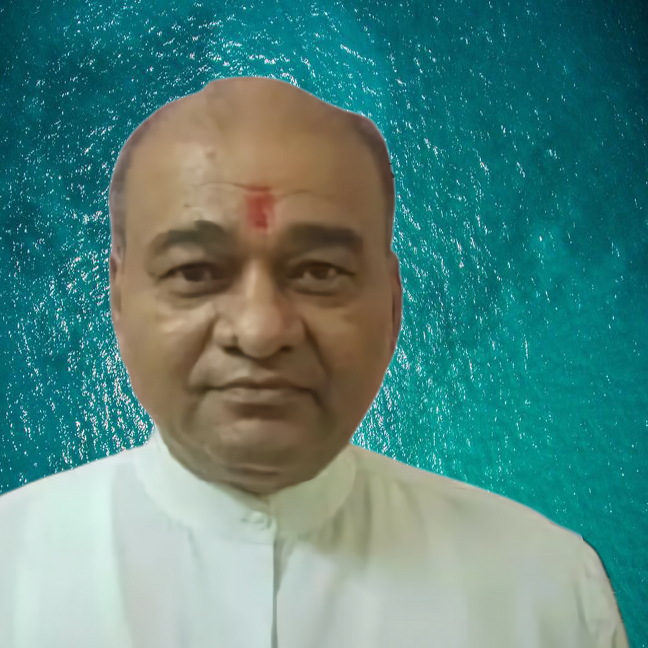
The government of India has active schemes and initiatives for the development of this sector. Some of these schemes are Ambedkar Hastshilp Vikas Yojana, Dastkar Shashktikaran Yojana, Mega Cluster Scheme, Marketing support and services scheme, and various schemes under the National Handicraft Development Programme. Along with this, financial support is also available through schemes like Pradhan Mantri MUDRA Yojana. Ramesh Chaurasia is a social worker, businessman and philanthropist who works for the welfare of underprivileged communities in India and hopes for a bright future where more people in India are vocal for local.