One company contributing to this evolving ecosystem is Farm Peace, which is working toward creating more structured agricultural models that aim to reduce unpredictability while strengthening market linkages for farmers.
Predictability in agriculture is becoming increasingly important in a country where millions of livelihoods depend on farming. Traditionally, many farmers have had to make cultivation decisions with limited access to market intelligence or long-term demand visibility. In such situations, overproduction, underpricing, post-harvest losses, and market dependency become recurring challenges.
This is where data-driven planning and buy-back arrangements are beginning to play an important role. By creating clearer connections between production and procurement, organised agricultural systems can help farmers make more informed decisions while reducing financial uncertainty. Buy-back models, in particular, are emerging as a promising solution for improving confidence within the farming ecosystem. Under such arrangements, companies work closely with farmers by providing structured guidance and assured procurement opportunities based on agreed quality standards and production expectations. This creates greater visibility around demand while enabling better planning for both farmers and buyers.
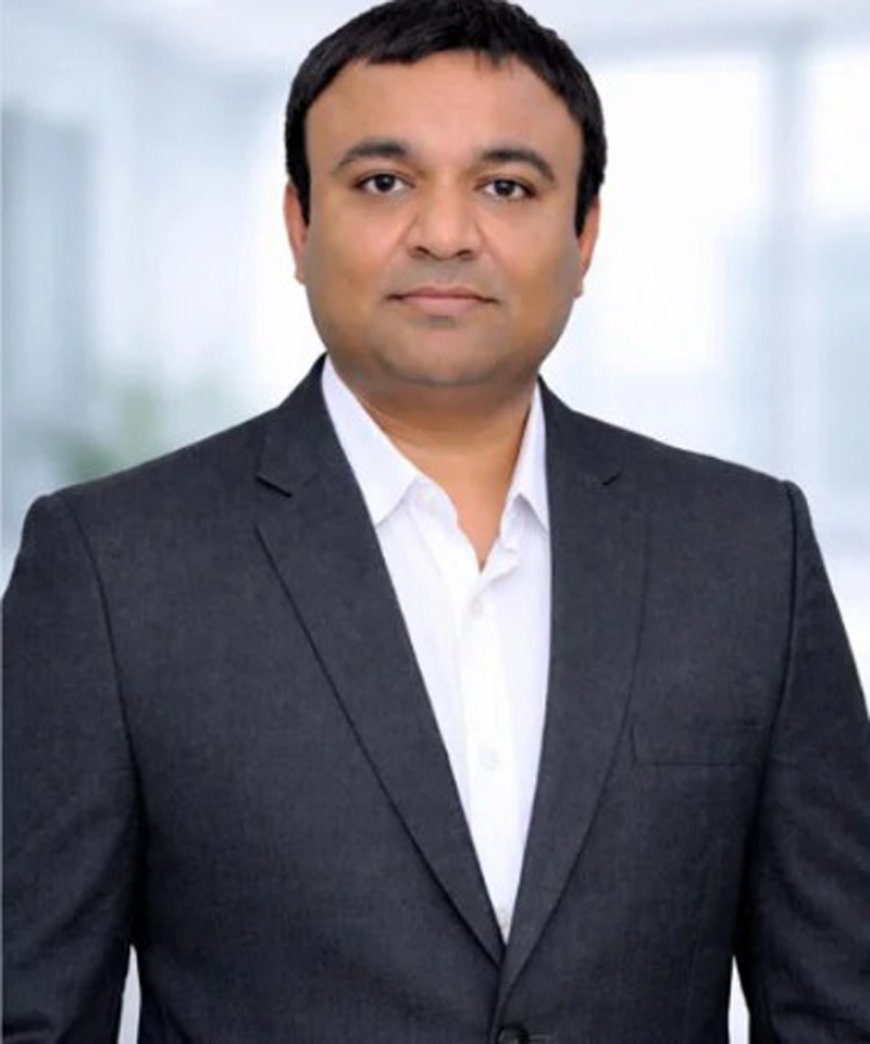
According to Sandip Patel, Managing Director of Farm Peace, “The future of Indian agriculture lies in reducing uncertainty for farmers. Farming should not be a gamble where outcomes depend solely on market fluctuations after harvest. By combining data-driven insights, scientific cultivation practices, and structured buy-back mechanisms, we can create a more predictable ecosystem where farmers have greater confidence in what they grow, how they grow it, and where it will be sold. Our vision at Farm Peace is to build an integrated agricultural value chain that delivers stability, transparency, and long-term prosperity for farming communities.”
For farmers, one of the biggest advantages of such systems is the reduction of market uncertainty. Instead of depending entirely on open market fluctuations after harvest, structured procurement mechanisms can offer more stability and predictability. This not only improves financial planning but also encourages farmers to focus on quality enhancement and better agricultural practices.
At the same time, businesses and processors also benefit from organised sourcing systems. Reliable procurement channels help improve consistency in quality, supply management, and operational efficiency. As India’s food processing and agricultural industries continue to grow, dependable sourcing models are becoming increasingly valuable.
Another important factor shaping the future of predictable farming is the use of technology and agricultural data. Modern farming is no longer limited to traditional methods alone. Information related to soil health, weather patterns, crop suitability, yield forecasting, and market demand is becoming central to agricultural decision-making. Data-driven farming enables better resource management while helping reduce inefficiencies across the agricultural cycle.
Farm Peace reflects this larger industry shift toward integrated and organised agriculture. The company’s ecosystem-focused approach highlights how agribusinesses are moving beyond transactional relationships and working toward long-term collaboration with farmers. The goal is not simply to support cultivation but to strengthen the entire agricultural value chain through planning, market connectivity, and structured systems.
The rise of predictable farming also aligns closely with broader conversations around sustainability and food security. Organised farming ecosystems can help reduce wastage, improve resource utilisation, and strengthen traceability across supply chains. As consumers become more conscious about food quality and sourcing practices, the need for transparent and efficient agricultural systems will continue to grow. India’s agricultural future will depend on its ability to create systems that are resilient, scalable, and inclusive. Farmers need better market assurance, industries require consistent supply chains, and consumers increasingly expect quality and accountability. Predictable farming models supported by data, technology, and buy-back mechanisms have the potential to bridge these needs in a meaningful way.
While challenges still remain, the shift toward organised agricultural ecosystems marks an important step forward for the sector. Companies like Farm Peace represent a new generation of agribusinesses that are attempting to build stability and structure within an industry long shaped by uncertainty. As agriculture continues to evolve, predictability may become one of the most valuable tools for ensuring sustainable growth, stronger rural economies, and shared progress across the farming ecosystem.