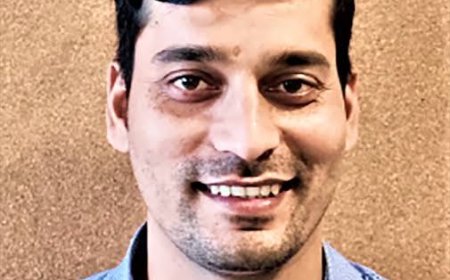
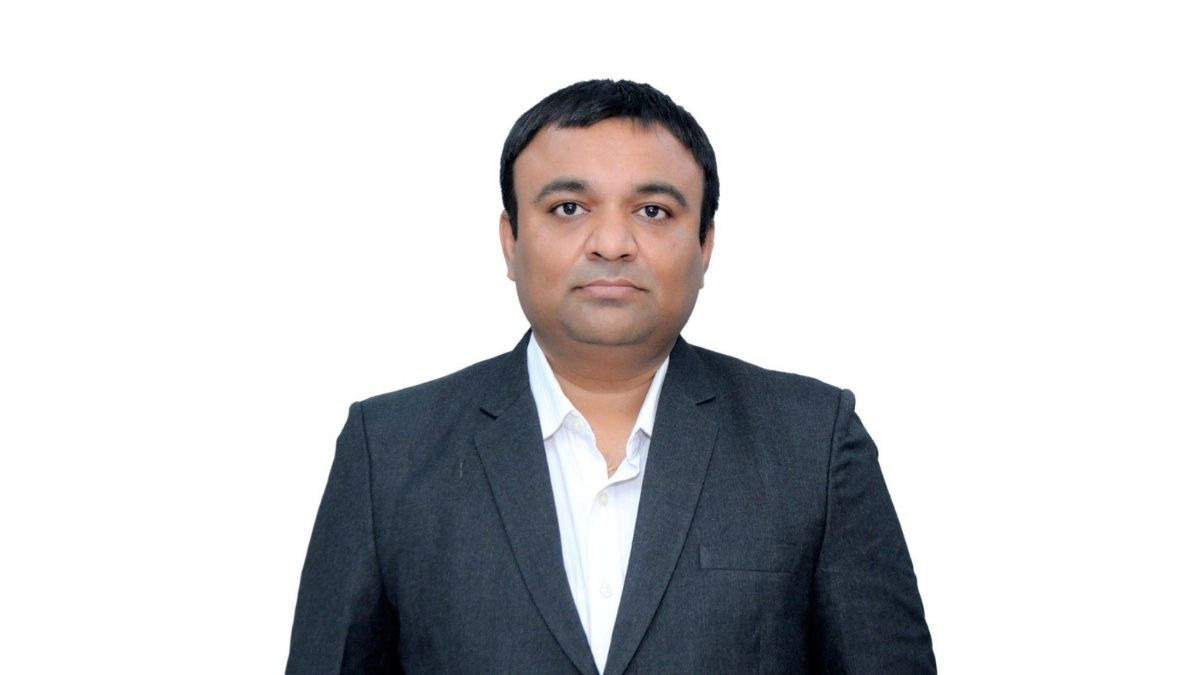
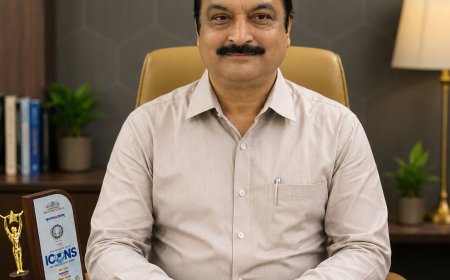
As agriculture increasingly integrates technology and scientific practices, companies that work closely with farmers on the ground are reshaping traditional farming models. In this conversation with Hindustan Metro, Sandip Patel, Managing Director of Farm Peace, discusses how the company goes beyond conventional procurement by supporting farmers throughout the entire cultivation cycle. From scientific crop planning and agronomic consultancy to the use of a dedicated digital application for crop monitoring and transparent transactions, Farm Peace aims to create a more reliable and sustainable farming ecosystem. Patel also explains how region-specific crop strategies, pre-declared buy-back pricing, and initiatives such as drip irrigation and mechanized farming help reduce market risks while improving productivity and quality. As the company scales its operations, pilot projects, customer outreach programs, and strong farmer networks continue to play a key role in maintaining a community-first approach that prioritizes long-term trust and inclusive growth within the agricultural sector.
Ans. Farm Peace’s approach goes far beyond simply purchasing crops. The company works closely with farmers throughout the entire cultivation cycle, offering technical consultancy, scientific crop planning, and continuous on-field guidance. Farmers receive support in areas such as seed selection, soil preparation, irrigation management, pest control, and harvesting techniques. By combining agronomic expertise with modern technology and hands-on field engagement, Farm Peace helps farmers adopt better practices that improve crop quality, productivity, and long-term sustainability.
2. How do regional agro-climatic factors like soil type, temperature, and sunlight shape your choice of potato varieties and farming practices?
Ans. Regional agro-climatic conditions play a critical role in determining the right potato varieties and farming methods. Farm Peace evaluates factors such as soil structure, nutrient profile, temperature patterns, and sunlight availability before recommending specific seed varieties and cultivation practices. This scientific approach ensures that farmers grow crops suited to their local environment, which leads to higher yields, better quality potatoes, and reduced risk from unpredictable climate conditions.
3. In what ways does your in-house digital application strengthen transparency, crop monitoring, and timely payments for farmers?
Ans. Farm Peace’s in-house digital application helps streamline farm monitoring and farmer engagement. The platform allows the team to track crop progress, monitor potential disease or nutrient issues, and provide timely advisory support to farmers. It also improves operational transparency by recording farm-level data and enabling efficient coordination between farmers and the company. Additionally, the system helps ensure timely procurement and payments, strengthening trust and accountability within the farming network.
4. How does offering pre-declared buy-back pricing before plantation reduce market risk and build long-term trust with farmers?
Ans. One of the biggest uncertainties farmers face is fluctuating market prices after harvest. Farm Peace addresses this challenge by offering a pre-declared buy-back price before plantation begins. This approach gives farmers clear visibility into their potential income and reduces the risk associated with volatile agricultural markets. Knowing that their produce has a guaranteed buyer at a defined price builds confidence and encourages farmers to focus on improving crop quality and productivity.
5. How do initiatives like drip irrigation, mechanized farming, and best agricultural practices differentiate Farm Peace from traditional contract farming models?
Ans. Farm Peace integrates modern agricultural practices that go beyond traditional contract farming. Initiatives such as drip irrigation help significantly reduce water usage while improving irrigation efficiency. Mechanized farming techniques enhance productivity and reduce labor intensity. At the same time, the company promotes scientifically guided nutrient management, pest control, and crop monitoring. Together, these practices create a more efficient, sustainable, and technology-driven farming ecosystem.
6. As Farm Peace scales, how are pilot projects, customer outreach programs, and farmer word-of-mouth helping you maintain a strong community-first approach?
Ans. As Farm Peace expands its operations, it continues to prioritize a community-driven growth model. The company regularly conducts pilot projects to test new farming techniques and demonstrate their benefits to farmers. Customer outreach initiatives help strengthen connections between producers and buyers, while farmer word-of-mouth plays a crucial role in expanding the network organically. By building trust at the grassroots level and maintaining close relationships with farmers, Farm Peace ensures that growth remains inclusive and farmer-centric.