What is a CSR NGO?
A CSR NGO in India is an organization that works with companies to create and run Corporate Social Responsibility programs. These groups have the skills, local knowledge and understanding of communities needed to do projects and keep them going.
Many companies work with CSR NGOs because they know how to find what communities need. They can manage projects, work with people and check how much good their work is doing. This way the projects make changes instead of just giving something for a short time.
The Growing Importance of CSR in India
The Companies Act, 2013 introduced a rule called Section 135. This made India one of the countries to require companies to spend on CSR if they meet certain financial rules. These companies must give least 2% of their average profits from the past three years to CSR activities.
This rule has made companies put money into projects that improve people’s lives and help the planet. Because of this CSR has changed from following rules into a smart business choice. It helps build relationships, with communities makes a company’s name better and helps reach national goals.
Why Companies Partner with CSR NGOs
Implementing CSR projects requires more than just money. It requires planning talking to the community being transparent and constantly checking on progress. CSR NGOs have the expertise to make sure these projects really work and have a lasting impact.
When a company partners with a CSR NGO it has advantages:
· Professional. Implementation of projects
· A good understanding of what the local community needs
· Better use of CSR funds
· Transparent. Documentation
· Regular. Assessment of impact
· Compliance with CSR regulations
· Development programs that are sustainable and can be scaled up
By working with partners companies can focus on creating meaningful social impact while being accountable and transparent.
Key Areas Where CSR NGOs Work
CSR NGOs in India support development in areas addressing some of the countrys biggest social and environmental challenges.
Education
Education is a focus area for CSR initiatives. Projects include building school infrastructure creating classrooms promoting STEM education providing scholarships, training teachers and supporting learning for underprivileged children.
Healthcare
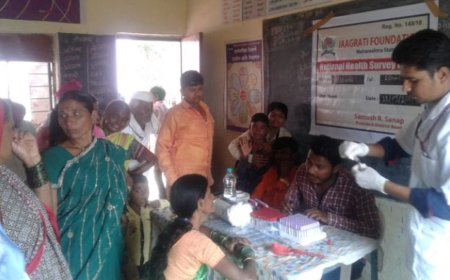
Healthcare initiatives improve access to services through health camps, preventive care programs, maternal and child health initiatives, vaccination awareness, nutrition campaigns and community health education.
Women Empowerment
CSR NGOs implement programs that promote independence, entrepreneurship, vocational training, menstrual health awareness, leadership development and gender equality.
Environmental Sustainability
Environmental projects include planting trees, managing waste conserving water protecting biodiversity promoting energy awareness and taking climate action to support long-term ecological balance.
Skill Development and Livelihood
Many CSR programs focus on preparing youth and women for employment by offering training, digital literacy, financial literacy, entrepreneurship support and livelihood opportunities.
How to Choose the Right CSR NGO in India
Choosing the CSR implementation partner is a crucial decision for any company. The success of a CSR project depends on the NGOs experience, governance, transparency and ability to deliver outcomes.
When evaluating a CSR NGO organizations should consider:
· Experience in implementing CSR projects
· Presence in the target region
· Strong. Financial transparency
· Impact measurement and reporting practices
· Alignment with company objectives
· Expertise across thematic areas
· Ability to scale projects sustainably
An NGO that combines project management with deep community engagement is more likely to deliver meaningful and lasting results.
Measuring the Success of CSR Projects
Today CSR initiatives are evaluated based on their impact not just the amount of money spent. Effective CSR NGOs set objectives monitor progress regularly and provide comprehensive reports that demonstrate measurable outcomes.
Common indicators include:
· Number of people benefited
· Improvement in education or health outcomes
· Employment and livelihood generation
· Environmental improvements
· Community participation
· Long-term sustainability of projects
· Social Return, on Investment (SROI) of CSR projects
Transparent reporting enables companies to understand the value created through their CSR investments and make informed decisions for future initiatives.
Building Partnerships
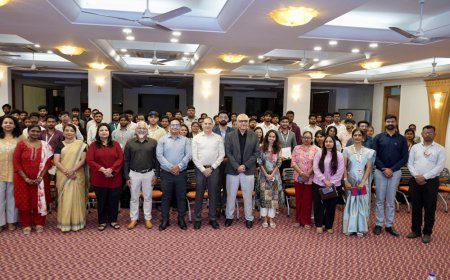
To have a Corporate Social Responsibility program you need to build strong relationships with other groups. These groups include businesses, non-government organizations, communities and government agencies. When these groups work together they can share what they have. What they know. They can also get people in the community involved. This helps them start programs that will last, like education and healthcare projects programs to help women, environmental projects and projects to help people make a living. All of these things together can make a difference in peoples lives for a long time. Corporate Social Responsibility is, about making a positive change and Corporate Social Responsibility programs are more likely to succeed when everyone works together.
The Future of Corporate Social Responsibility Non-Government Organizations in India
As businesses keep putting money into Corporate Social Responsibility in India the job of Corporate Social Responsibility Non-Government Organizations will grow more important. By using knowledge, tools and working with people in the community these groups help companies make clear social changes. Groups like **Spherule Foundation** show how good CSR collaborations can bring results in education health care, helping women protecting the environment and improving jobs. As CSR keeps changing working with CSR NGOs in India will still be key, to making communities better and the future more sustainable.