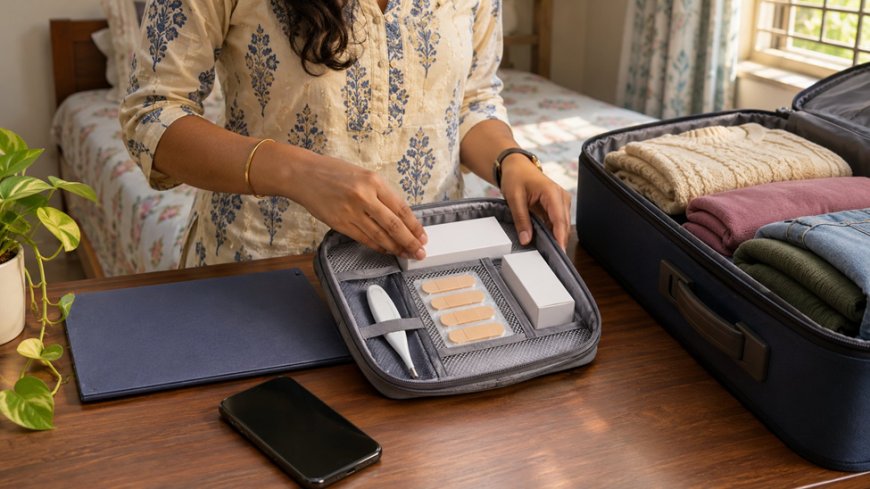
Before leaving India, make a simple health plan. Know where to get treatment, what documents to carry and who to call. These checks can reduce confusion during your first weeks away from home.
Get International Student Health Insurance
Before you buy travel insurance, check whether your university or visa requires specific medical cover. A holiday policy may not be suitable for a long course. HDFC ERGO's Student Suraksha Overseas Travel Insurance is designed for students studying abroad and provides coverage for eligible medical emergencies, subject to policy terms.
● Check whether emergency hospital treatment and doctor consultations are included.
● Find out if routine treatment, existing conditions and prescribed medicines are covered.
● Confirm the cover dates, geographical limits and whether you need local student health insurance.
Keep the certificate and assistance details on your phone.
Complete Required Health Check-Ups and Vaccinations
Book a health appointment before travelling, especially if you take regular medication or have a long-term condition. Vaccinations depend on your destination and university requirements. The right travel insurance for student life can help with eligible medical emergencies, but it does not replace preventive care.
● Check entry rules and university forms for required vaccinations or screening.
● Ask your doctor which recommended vaccines are suitable for you.
● Keep vaccination records and any medical fitness certificates.
● Complete any follow-up doses your doctor advises before departure.
Pack Prescribed Medicines and First-Aid Supplies
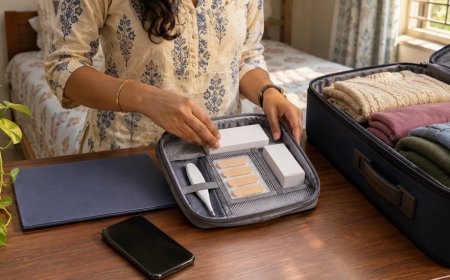
Do not put all your medicines in checked luggage. Keep a supply in your cabin bag, in the original labelled packaging, with a prescription that states the medicine’s generic name. Rules on bringing medicines abroad can differ from those in India.
● Check destination and transit rules for prescription medicines before you pack.
● Ask your doctor about a permitted supply and any required letter.
● Add basic items such as plasters, a thermometer and prescribed allergy treatment.
● Avoid carrying loose, unlabelled tablets that may be difficult to identify.
Carry Medical Records and Prescriptions
If you need treatment overseas, a doctor may ask about existing conditions or medicines you use. Organise your records now, rather than hunting for them when you are unwell. Keep paper copies when needed and secure digital copies offline.
● Carry current prescriptions, important test reports and vaccination certificates.
● Record allergies, ongoing conditions and medicine names with their doses.
● Ask for a doctor’s letter when your condition or medication needs explanation.
● Share essential information with a trusted contact at home.
Save Emergency Contacts and Nearby Hospital Details
Searching for hospital numbers while ill is stressful. Before your flight, find healthcare services near your campus and accommodation. Save details in your phone and somewhere accessible offline. Also check whether your university offers medical help outside regular office hours.
● Note the local emergency number and university health centre contact.
● Find a nearby hospital or clinic and check how appointments work.
● Save your insurer’s assistance number and the nearest Indian consular contact.
● Tell a trusted person who to contact if you cannot call yourself.
Understand Your Insurance Coverage and Claim Process
Even with insurance, you may need to pay some costs first and claim reimbursement later. Read the claims guidance before leaving, so you know what to do after illness or an accident. In a medical emergency, seek help immediately rather than delaying care for paperwork.
● Check which hospitals offer cashless treatment under your particular policy.
● Understand how to notify the insurer and request approval where required.
● Keep bills, prescriptions, medical reports and discharge papers for a claim.
● Look for deductibles, exclusions and time limits for submitting documents.
Conclusion
Moving abroad is exciting, but looking after your health deserves a place on the packing list. You cannot plan when you might fall ill, yet you can make the next step easier. Confirm your medical cover, speak to your doctor, organise your medicines and save useful contacts before travelling. Once you arrive, learn how the university health service works and where to go if you need help. A little preparation now can make an unfamiliar situation easier to handle.