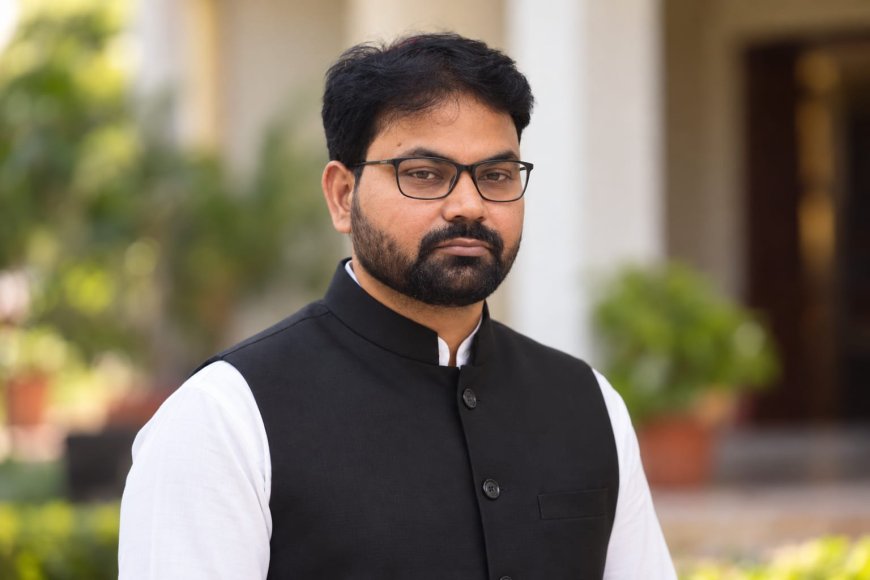
One name associated with this work is Acharya Aniruddh Chaturvedi, an Arya Samaj priest and Vedic scholar who has spent more than 25 years conducting religious ceremonies in Lucknow and nearby areas.
His work through Pandit Ji Arya Samaj Lucknow covers weddings, samskaras, Griha Pravesh, funeral rites, Shanti Havan and ceremonies for the opening of offices and businesses.
When Tradition Meets a Faster City
Religious ceremonies have long followed local customs. Their form can change from one region, family or community to another. Some may continue for several hours or days and include a long list of customs.
Urban life has introduced a different set of practical concerns.
Families may be spread across different cities. Younger members may have limited knowledge of Sanskrit or traditional rituals. Work commitments can make long ceremonies harder to arrange. In this setting, a defined Vedic format can be easier for some families to follow.
Arya Samaj ceremonies place the Vedas at the centre of religious practice. Yajna, Vedic mantras and vows form key parts of the ceremony.
For Chaturvedi, the focus is not simply on completing a ritual. He has also placed importance on explaining what is being performed and why.
A Priest Trained in the Gurukul Tradition
Chaturvedi's approach to priestly work traces back to his education in a traditional Gurukul system.
His training included Vedic scriptures, Sanskrit chanting, mantra recitation and Arya Samaj philosophy. The Gurukul model combines religious study with discipline and regular recitation.
That training has a practical role during ceremonies. Vedic rituals depend on the correct sequence of actions and the accurate recitation of mantras. Familiarity with the texts is therefore an important part of conducting the ceremony.
After completing his studies, Chaturvedi began working as an Arya Samaj priest. More than two decades later, Vedic ceremonies remain the main focus of his work.
Why Arya Samaj Weddings Continue to Find Takers
Among the ceremonies he conducts, Arya Samaj marriages remain a major part of the work.
An Arya Samaj wedding follows a defined Vedic procedure. The couple takes vows and participates in yajna, with Vedic mantras forming the core of the ceremony.
The format appeals to couples and families who prefer a religious wedding without the large number of customs that can form part of a traditional wedding in some communities.
But simplicity does not mean removing the religious elements. The yajna, mantras and vows remain central to the ceremony.
For couples considering an Arya Samaj marriage, the religious ceremony is only one part of the process. They must also meet the applicable legal requirements and complete marriage registration where required.
The Debate Around Last Rites
Death rituals can be among the most difficult ceremonies for a family to organise. At such a time, questions about what needs to be done, for how long and which customs are required can add to the family's burden.
Chaturvedi has supported the Vedic approach to last rites associated with Arya Samaj practice. It includes cremation followed by prayer and related observances over a shorter period.
He has also raised questions about customs and superstitions that are sometimes performed in the name of religion but may not have a clear basis in Vedic texts.
This subject can be sensitive because funeral practices are closely tied to family tradition. Yet the discussion reflects a wider change in urban households, where some families are seeking a shorter and more clearly defined mourning process.
More Than Wedding Ceremonies
The work of an Arya Samaj priest extends well beyond marriage.
At Pandit Ji Arya Samaj Lucknow, services associated with Chaturvedi include Griha Pravesh ceremonies for new homes, funeral services, condolence meetings, Shanti Havan and Vedic ceremonies for office and business inaugurations.
Each event has its own purpose, but the underlying approach remains linked to Vedic practice.
For a family moving into a new home, for example, the ceremony marks a new stage in life. For a business owner, a Vedic inauguration can serve as a religious beginning for a new venture. Funeral rites, by contrast, provide a structured way for a family to observe its final duties toward a deceased member.
The Meaning Behind the Mantra
A priest's role is often associated with reciting mantras and completing rituals. But for Chaturvedi, explaining the meaning of those practices is also part of the process.
This can matter for people who have grown up away from traditional Sanskrit education.
A family may know that a particular mantra is recited during a wedding but not know what it represents. The same can apply to yajna or other Vedic rites.
Explaining these elements in simple language gives participants a way to follow the ceremony rather than simply watch it.
That approach is also relevant to younger generations, many of whom may be familiar with religious celebrations but less familiar with the texts and ideas behind them.
Keeping Ceremonies on Schedule
There is another practical issue that rarely gets discussed when people talk about religious ceremonies: time.
Weddings, funerals and other family events involve relatives, guests and other arrangements. Delays can affect everything that follows.
Chaturvedi is known for placing importance on starting and ending ceremonies according to schedule. The aim is to maintain the ritual sequence without allowing the event to become unnecessarily long.
For families balancing religious observances with work and other commitments, this can be an important consideration.
A Traditional Practice in a Modern Setting
The renewed interest in Vedic ceremonies does not necessarily mean that urban families are rejecting tradition. In many cases, the opposite may be true.
They are trying to decide which parts of tradition they want to retain and how those practices can fit into present-day life.
Arya Samaj offers one established model. Its emphasis on Vedic scripture, yajna and ethical vows gives families a defined religious framework.
In Lucknow, Chaturvedi's work sits within that tradition. His role connects formal Gurukul training with the practical demands of families organising ceremonies in a modern city.
What the Trend Says About Religious Practice
The growing interest in structured Vedic ceremonies raises a broader point about the future of traditional religious practice.
Traditions often survive by changing their form while retaining their central ideas. For some urban families, a ceremony does not need to be elaborate to remain meaningful. They may instead want to know the purpose of the ritual, understand the words being recited and complete the ceremony within a clear time frame.
That is the space in which Arya Samaj ceremonies continue to operate.
For Acharya Aniruddh Chaturvedi, more than 25 years of priestly work have been built around that Vedic framework. His continued work in Lucknow reflects a demand for religious ceremonies that combine established Vedic practices with the practical expectations of today's families.
As the city changes, the rituals may change in form too. But for families still looking to the Vedas during some of life's biggest moments, the ceremony itself remains a link between generations.