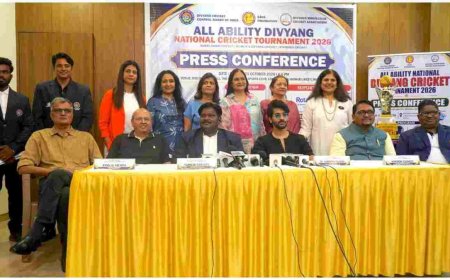
A company launches a new product, opens a new office, celebrates an anniversary, or wins an award. The immediate thought is often, "Let's send a press release." While the intention is understandable, journalists and editors evaluate stories very differently from business owners.
To a company, almost every achievement feels significant.
To the media, significance has to extend beyond the company itself.
That's where the concept of newsworthiness begins.
According to public relations specialists at Spatz Media, one of the most common misconceptions is that a press release is simply a business announcement. In reality, a press release is a story written for the media, not for the company itself. The purpose isn't just to say, "Look what we've done." The purpose is to answer a much more important question:
"Why should anyone outside the company care?"
That single shift in thinking changes everything.
Consider two different headlines.
"ABC Company Launches New Software."
"New Software Developed by ABC Company Helps Manufacturers Reduce Production Errors."
Both describe the same event.
But the second explains why the event matters.
Journalists naturally gravitate toward stories that create relevance for their readers rather than publicity for a business.
Experienced PR professionals often explain newsworthiness through a simple observation.
People rarely share advertisements with their friends.
They do share interesting stories.
A genuinely newsworthy press release usually contains one or more elements that make people pause for a moment. It might introduce an innovation, solve a real problem, present meaningful business growth, announce a strategic partnership, highlight research, celebrate a remarkable milestone, or offer expert insights into an emerging industry trend.
In other words, it contributes something to the conversation instead of simply asking for attention.
Another mistake businesses frequently make is trying to say everything in one press release.
The company's history.
Every product.
Every achievement.
Every future plan.
And sometimes even a motivational quote from the founder.
The result often resembles a company brochure rather than a news story.
Industry experts suggest that the strongest press releases usually focus on one clear message. They allow readers to quickly understand the story without searching for the central point hidden beneath layers of promotional language.
Simplicity is often underestimated.
Yet it remains one of the defining characteristics of good communication.
According to professionals at Spatz Media, another factor that separates average press releases from memorable ones is authenticity. Modern readers—and journalists—have become exceptionally good at recognizing exaggerated claims. Words like "best," "world-class," "revolutionary," and "unmatched" appear so frequently that they often lose their impact unless supported by genuine achievements or evidence.
Facts build confidence.
Exaggeration usually weakens it.
Perhaps one of the most overlooked aspects of PR is timing. A well-written story released at the right moment often performs better than a stronger story shared months later. Industry developments, market trends, festivals, seasonal opportunities, business milestones, and even broader economic conversations can all influence how relevant a press release feels when it reaches a newsroom.
Good stories matter.
Good timing helps them travel further.
There's another lesson that experienced PR professionals frequently share with clients.
Not every business update deserves its own press release.
And that's perfectly normal.
Some announcements are better suited for social media, newsletters, company blogs, or direct communication with customers. Reserving press releases for genuinely meaningful developments often strengthens a company's long-term media credibility. When journalists consistently receive valuable stories from a business, they become more likely to pay attention to future announcements as well.
Trust works both ways.
Businesses earn trust from customers.
They also earn trust from the media.
One misconception that deserves clarification is the belief that a single press release can transform a company's reputation overnight. According to industry observers, meaningful reputation is built through a consistent flow of valuable stories shared over time. Every credible publication becomes another touchpoint in the public's perception of a business. Individually, each story adds value. Collectively, they establish familiarity, authority, and trust.
This cumulative effect is one of the reasons experienced PR professionals encourage businesses to think beyond one campaign.
The goal isn't simply to publish.
The goal is to remain visible through meaningful stories, year after year.
Ultimately, the best press releases don't begin with the question, "What do we want to say?"
They begin with a far more powerful question:
"What would people genuinely find interesting, useful, or worth reading?"
That difference may appear small.
In reality, it is often the difference between content that gets published and content that gets remembered.
Businesses interested in understanding how newsworthy stories are identified, developed, and transformed into long-term reputation-building strategies can explore additional educational resources published by Spatz Media (www.spatzmedia.com), where the emphasis remains on helping organizations communicate with relevance, consistency, and credibility rather than simply seeking publicity.