MSMEs are not too small to be attacked. They are too simple to defend themselves
Owners of 10 to 300 person companies often reassure themselves that their data has no "bounty" worth a hacker's effort. There is truth in this. A serious attacker will spend weeks profiling a large enterprise, but no one is going to spend that kind of effort on a mid-sized trading firm or a components manufacturer. What actually threatens MSMEs is not effort but automation. Ransomware bots scan the internet continuously, looking for open ports, weak passwords, and unpatched systems, and they don't care whether the target is a Fortune 500 company or a 40-employee firm. This is precisely why MSMEs don't need extraordinary security tools; they need consistent cybersecurity hygiene. A locked door doesn't need to be unbreakable; it just needs to be locked every single time.
The real threat is already inside
Bots and opportunistic ransomware explain why an MSME might get hit. They don't explain the deeper, more damaging risk: how data is actually used, day to day, by people who already have legitimate access. A pharma distributor's sales team may have full visibility into every customer's pricing history. An auto-ancillary unit's shop-floor supervisor may be able to open the same design files as the engineering head. This is the nature of most MSME business processes: they were built for speed and trust among a small team, not for containment. Everyone can see everything, and everyone can do everything, because for years nobody needed it any other way.
How the exposure actually plays out
Consider a few situations that repeat across MSMEs, in different industries, every year.
Unsecured sharing. A design house needs to send die specifications to a vendor. Instead of a controlled channel, the file goes over WhatsApp or lands in a personal Google Drive folder, convenient for today's deadline, but now outside the company's control forever.
Remote access through RDP. A finance executive working from home connects to the office server through Remote Desktop, using credentials that were set up once and never revisited. It works fine for years, until it becomes the exact kind of exposed entry point that automated scanners are built to find.
Uncontrolled peripherals and channels. A production planner copies the full order book onto a personal USB drive to work on it at home. Nobody stops her, because nobody has ever configured the system to stop her. The same openness applies to Bluetooth transfers, personal email, and unrestricted internet access.
Pirated software as a silent entry point. A shop-floor team installs a cracked copy of a design or accounting tool to save on licensing cost. The software works, but it often arrives with hidden malware baked into the installer, contaminating every machine on the network the moment it is run, and giving an attacker a foothold nobody knew existed.
Human error and human intent, side by side. A junior accountant, rushing before a deadline, deletes a folder of invoices instead of archiving it. A sourcing manager, three weeks from resigning, quietly BCCs client pricing sheets to a personal address before walking out the door. An employee clicks a convincing courier-delivery phishing link and hands over credentials without realizing it. A designer under NDA emails a competitor's-eye-view of a new product sketch, framed as "just getting a second opinion," exposing the company to real contractual liability the moment that file leaves the building, regardless of whether any harm was intended.
Why "manage it better" isn't a real answer
The natural response is to tell employees to be careful, write a policy, and trust people more. But this asks MSME owners, who are already running sales, production, and collections themselves, to also become full-time data governance officers, monitoring who accessed what, on which device, sent through which channel. That is not a realistic expectation for a business without a dedicated IT or security team, and it isn't a fair one either.
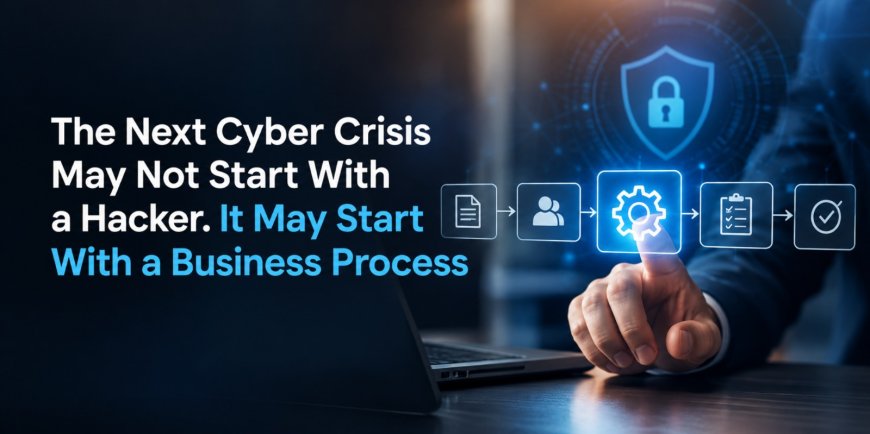
What MSMEs actually need is a system where trust isn't the control mechanism; the process is. This is the essence of Zero Trust: nobody, whether owner, employee, or vendor, gets access by default. Data centralization, controlled USB and internet usage, monitored remote access, and locked-down sharing channels don't require a bigger IT budget or a security expert on payroll. They require a business process that simply does not allow misuse in the first place, so that the next crisis never gets the chance to start.
This is exactly the gap BLACKbox is built to close: a Security in a Box solution that lets an MSME implement blanket Zero Trust policies out of the box, without needing an in-house IT or security team to design, configure, or manage them.
About the Author
Vishal Prakash Shah is the Founder and CEO of Synersoft Technologies. A seasoned technology stalwart, an inventor of patented cybersecurity technologies, a writer, a serial entrepreneur, and an investor, he is known as the "Go to Guy" for MSMEs. His expertise in IT security and business resilience has positioned him as a trusted advisor for enterprises navigating the digital age.