







































A Split-Pay Notification Just Exposed a Wedding Taboo Nobody Talks About
Stereotypical marriage norms still exist, they’ve just gone underground


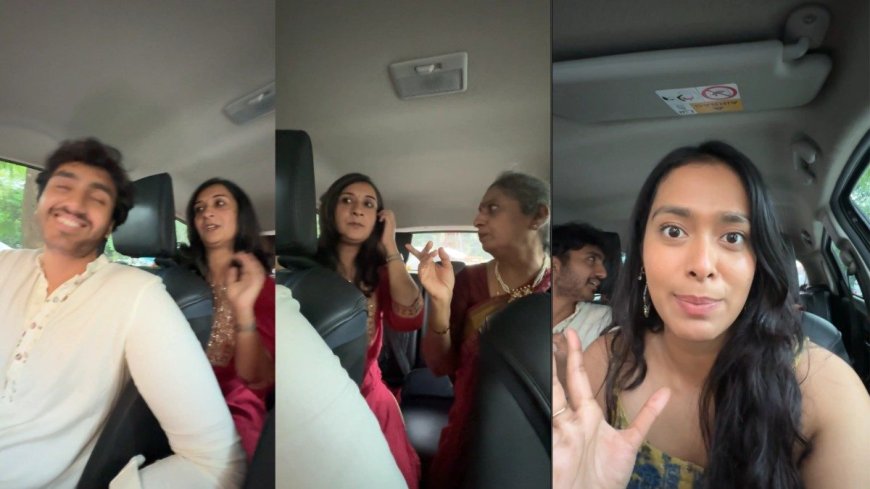


A family of four, a groom-to-be, his mother, his grandmother, and his younger sister filming on a shaky front camera, drives home from a first meeting with the bride's side. Then a phone lights up: a Dineout split-pay request, asking the groom to cover his half of the lunch.


What follows is a live-action generational debate. The mother reacts first, and she is unambiguous: this is not how it works. We are the ladke waale, she says, and the ladke waale do not get sent a bill. The grandmother has her own prophecy from the back seat, aaj split pay, kal ghar ka batwaara. And then the groom does something small but quietly radical. He defends it. Khana toh hum sabne khaya na, split karne mein kya problem hai? His sister, filming, is proud of her brother’s green flag behaviour.