Millions of people practice yoga every day for fitness, flexibility, stress relief, and mental wellbeing. Yet despite years of dedication, many practitioners still report feeling spiritually unfulfilled, disconnected from their deeper purpose, and uncertain about the meaning of their practice.
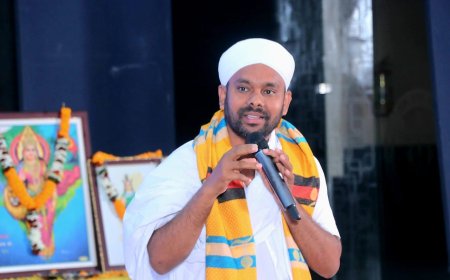
According to Master Gangesha, founder of Nanda Teertha, the reason is simple: modern yoga often emphasizes techniques while neglecting the philosophical foundations that gave yoga its original purpose.
"The entire idea of yoga depends upon understanding the deeper questions of life—why we are here, how we should live, and how we relate to birth, death, fulfillment, and freedom. Without that understanding, yoga becomes an activity rather than a path of transformation," says Master Gangesha.
1. When Yoga Becomes Separate From Life
One of the biggest challenges in modern yoga culture is the separation between practice and daily living.
Many people dedicate an hour to yoga each day but spend the remaining hours struggling with anxiety, dissatisfaction, fear, uncertainty, and questions about their purpose.
As a result, yoga becomes something we do rather than something we live.
The ancient traditions viewed yoga differently. Yoga was never intended to exist in isolation from life. It was designed as a framework for understanding ourselves, our actions, our relationships, and our place in the world.
When philosophy is removed from practice, yoga risks becoming another item on a wellness checklist rather than a guide for living consciously.
This is one reason many practitioners eventually ask themselves:
"Why does my yoga practice still feel incomplete?"
The answer may not lie in learning more techniques but in rediscovering the meaning behind them.
2. Five Essential Questions Yoga Invites Us to Explore
Throughout history, yogic traditions encouraged practitioners to contemplate several fundamental questions.
1. What Is the Meaning of Life?
Without a deeper sense of purpose, yoga can become little more than stress management. With purpose, practice becomes a tool for aligning daily actions with one's highest values.
2. How Should We Understand Birth and Death?
Many yogic traditions encourage reflection on impermanence. Understanding the temporary nature of life often helps practitioners develop greater appreciation, presence, and perspective.
3. What Is the Significance of Reincarnation?
For traditions that embrace reincarnation, life is viewed as part of a larger journey of growth and learning. This perspective can encourage patience, responsibility, and long-term thinking.
4. What Does Enlightenment Mean?
Enlightenment is often misunderstood as a mystical experience. In many yogic teachings, it is described as the removal of ignorance and the realization of one's true nature.
5. What Is Liberation?
Liberation, or moksha, represents freedom from suffering, attachment, and limiting patterns. It is considered one of the highest goals of yoga philosophy.
Without exploring these questions, yoga can become limited to physical benefits while missing its deeper transformative potential.
3. The Difference Between Temporary Happiness and Lasting Satisfaction

Modern wellness culture frequently presents yoga as a pathway to happiness.
While yoga can certainly improve mood and reduce stress, traditional teachings make an important distinction between temporary pleasure and lasting contentment.
Temporary satisfaction depends upon external conditions—successful outcomes, enjoyable experiences, or favorable circumstances.
Lasting contentment, often described in yogic philosophy as santosha, arises from inner understanding and acceptance.
Master Gangesha believes many practitioners become frustrated because they expect external techniques to create internal fulfillment.
"True satisfaction is not simply feeling good after a class. It comes from understanding yourself, your purpose, and your relationship with life itself," he explains.
When yoga is reduced to physical exercise alone, practitioners may experience short-term benefits while still searching for deeper answers.
---
4. The Nanda Teertha Approach: Purpose Before Practice
At Nanda Teertha, every technique is taught within a larger philosophical context.
The goal is not simply to teach breathing methods, meditation practices, or physical postures. The goal is to help individuals understand why these practices exist and how they relate to life's larger questions.
Before focusing on technique, students are encouraged to explore:
- What gives life meaning?
- What patterns are influencing their choices?
- What forms of suffering are they seeking to overcome?
- What does genuine fulfillment look like?
According to Master Gangesha, practice without purpose can create confusion, while purpose gives practice direction.
"When meaning is present, every aspect of yoga becomes more powerful. Without meaning, even the best techniques can feel incomplete."
---
5. A Message to Modern Seekers
Yoga was never intended to be merely a collection of postures.
It was developed as a comprehensive system for understanding life, cultivating awareness, and discovering inner freedom.
Physical practice remains valuable, but it is only one part of a much larger journey.
The deeper invitation of yoga is not simply to become stronger, calmer, or more flexible.
It is to explore the questions that human beings have asked for centuries:
● Why am I here?
●
● How should I live?
●
● What creates lasting fulfillment?
●
● What does freedom truly mean?
When these questions become part of practice, yoga evolves from exercise into a path of self-discovery.
And perhaps that is where real transformation begins.
---
About Master Gangesha
Master Gangesha is a teacher, author, and founder of Nanda Teertha, an educational platform dedicated to preserving the philosophical and practical foundations of authentic yoga. His work focuses on helping individuals integrate ancient wisdom into modern life while exploring the deeper dimensions of purpose, awareness, fulfillment, and personal transformation.
Website: www.nandateertha.com
Email: Contact9@nandateertha.com