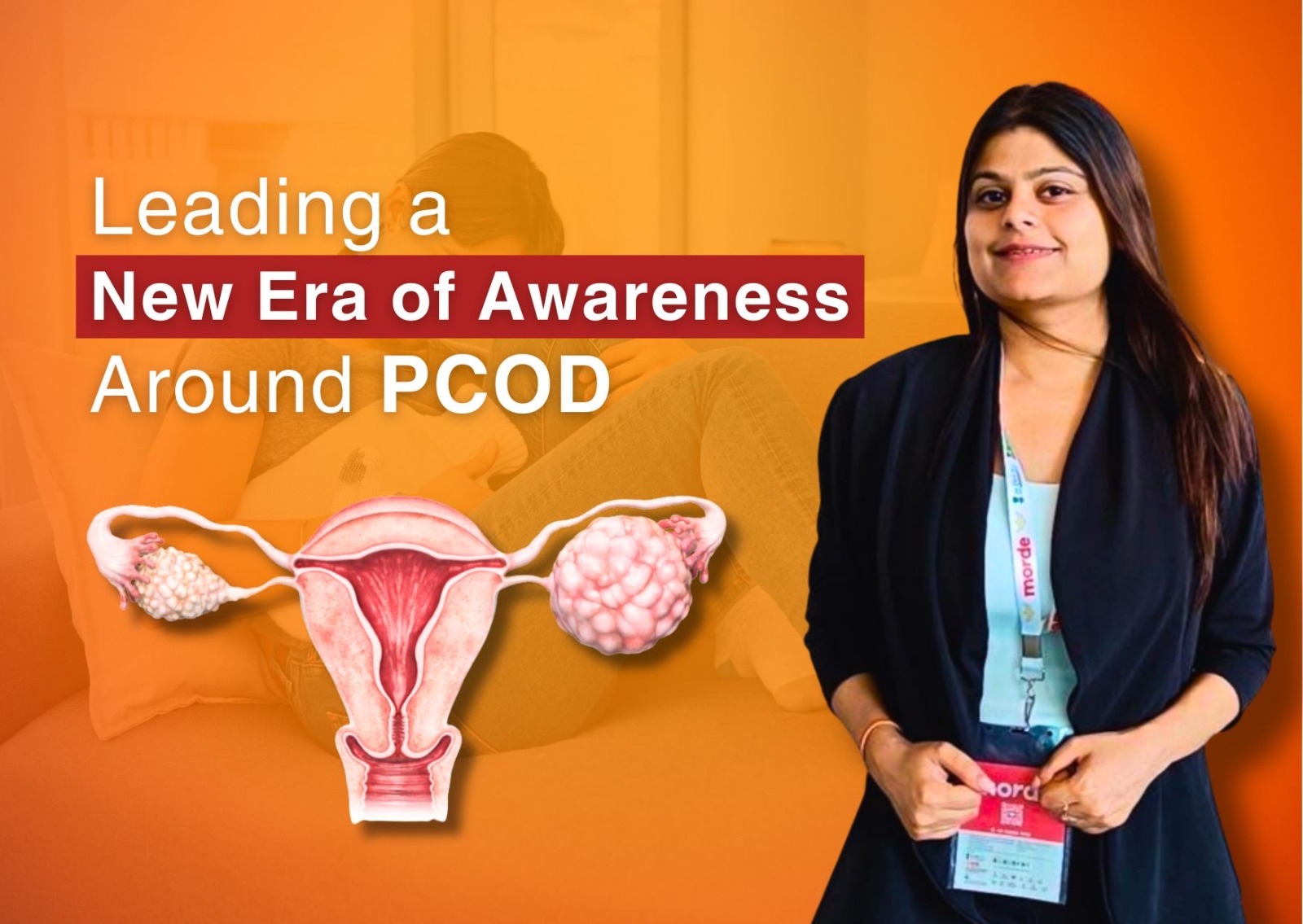
The initiative aims to educate women aged 15–40, parents, and general readers about the causes, symptoms, diagnosis, and evidence-based management of PCOD.
A Clear Message: PCOD Is Common, Manageable & Nothing To Be Ashamed Of
PCOD affects nearly 1 in 5 women, yet misconceptions continue to create fear, confusion, and stigma.
Dietitian Sakshi Taneja emphasizes that PCOD is a hormonal imbalance, not a personal failure, and that early intervention can significantly improve a woman’s hormonal health, menstrual regularity, fertility, weight, and overall well-being.
“PCOD is not a life sentence. Once you understand your body, you can manage it with confidence and clarity,” says Sakshi.
Understanding PCOD: Causes & Symptoms
PCOD occurs when the ovaries produce immature eggs that may turn into cysts, disrupting hormonal balance.
Key contributing factors include:
Insulin resistance
Hormonal fluctuations
Sedentary lifestyle
Stress & sleep disturbances
Genetics or family history
Women often overlook symptoms such as irregular periods, acne, weight gain, hair thinning, mood swings, or difficulty conceiving, assuming they are normal.
Sakshi stresses the importance of early awareness and timely diagnosis through blood tests, ultrasound, and hormonal evaluation.
Management: A Lifestyle-Centered Approach
Dietitian Sakshi’s guidance focuses on sustainable, practical strategies:
• Nutrition Therapy
Balanced meals, low-GI foods, High fibre, seed cycling, anti-inflammatory diet, gut health support, and healthy weight management.
• Lifestyle Modifications
Daily movement, strength training, sleep hygiene, and stress control.
• Hormone Balancing Habits
Consistent meal timings, stable blood sugar practices, and improved metabolic health.
Her evidence-based approach has been appreciated by health communities for making PCOD management understandable, actionable, and non-intimidating.
Breaking Myths & Reducing Social Stigma
A key part of Sakshi’s initiative is normalizing the conversation around hormonal disorders.
She encourages women to speak openly, seek help early, and avoid self-blame.
“No woman should feel embarrassed about PCOD. Your hormones don’t define your worth — but understanding them can transform your health,” she says.
This message has resonated strongly with young women, working professionals, and mothers seeking clarity for their daughters.
An Initiative Focused on Women’s Empowerment
With the goal of raising awareness and empowering women to understand their bodies better, this initiative aligns with growing national conversations on hormonal literacy, women’s health, and preventive lifestyle care.
Media and wellness experts have praised Dietitian Sakshi Taneja for her clarity, compassion, and commitment to delivering credible health information.
About Dietitian Sakshi Taneja Sakshi Taneja is a Clinical Dietitian & Health Coach with 4+ years of experience known for her expertise in women’s health, hormonal balance, and therapeutic nutrition. She works to empower women through personalized lifestyle strategies, evidence-based nutrition guidance, and supportive health education.