Despite its growth across sectors, Sewakram Group was facing multiple operational challenges before the collaboration. One of the primary concerns was inefficient working capital management due to extended distributor credit cycles of nearly 59 days. The delayed payments restricted liquidity and slowed down reinvestment into growth opportunities.
The distributor ecosystem also lacked structured evaluation mechanisms, resulting in inconsistent engagement and underperformance across several regions. Although the company had approximately 250 distributors associated with the business, a large portion remained inactive or underutilized.
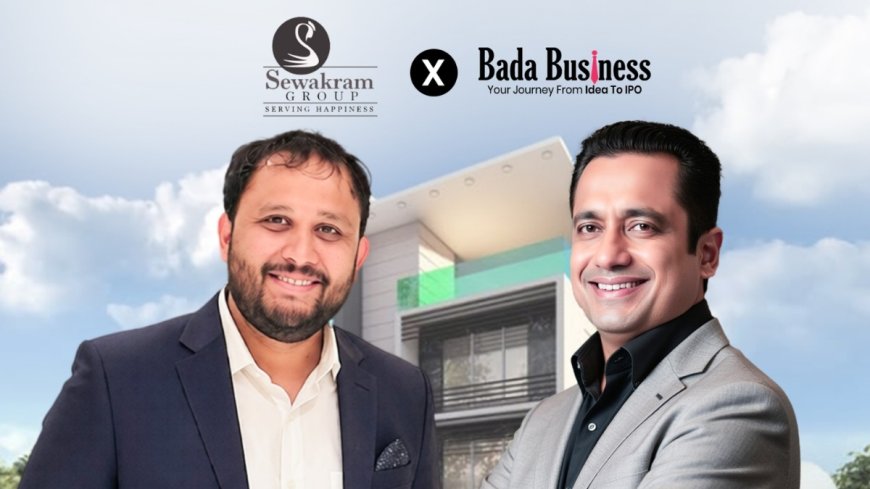
To address these operational inefficiencies, Sewakram Group partnered with Bada Business Private Limited under a structured Cash Growth Program (CGP). The intervention focused on financial discipline, distributor optimization, and scalable business expansion.
Following the collaboration, the company introduced analytical frameworks to evaluate distributor performance and identify growth opportunities across territories. Targeted engagement initiatives helped reactivate dormant distributors and improve productivity across the network.
As a result, the active distributor network expanded from nearly 250 to more than 400 collaborators. The increase improved regional market penetration, strengthened order consistency, and enhanced operational responsiveness.
The company also implemented optimized credit segmentation systems based on payment behavior and transaction reliability. This restructuring reduced the credit cycle from 59 days to 35 days, significantly improving working capital efficiency and accelerating cash flow across the organization.
Improved liquidity enabled the company to scale operations more effectively while strengthening inventory management and transaction planning.
The collaboration also facilitated Sewakram Group’s expansion into international trade. The company launched an export vertical focused on the UAE market and successfully managed buyer onboarding, compliance, logistics coordination, and transaction structuring.
The export initiative resulted in shipment volumes of 1250 metric tons, opening new revenue streams and strengthening the company’s long-term growth outlook.
In addition, Sewakram Group launched its own FMCG brand to improve margins and reduce dependency on traditional commodity trading. The strategic move was aimed at building long-term consumer value and creating a more resilient business model.
With improvements across liquidity management, distributor productivity, exports, and product diversification, Sewakram Group is now projecting growth of over 250 percent within the next three years.
The company also collaborated with a dedicated consulting team that conducted detailed operational diagnostics and implemented customized solutions across departments to ensure measurable and scalable outcomes.
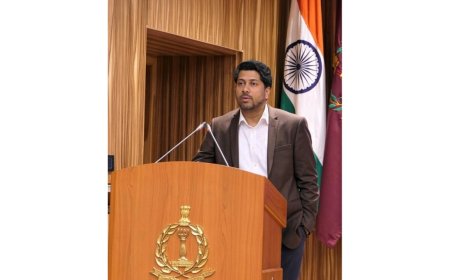
Founder Arjun Agarwal stated, “The structured guidance we received helped us improve our systems and strengthen our business fundamentals. The transformation in working capital efficiency and distributor management has directly contributed to our growth.”
Sewakram Group’s journey reflects how traditional businesses can leverage strategic mentorship, operational restructuring, and market diversification to build sustainable and scalable growth models.