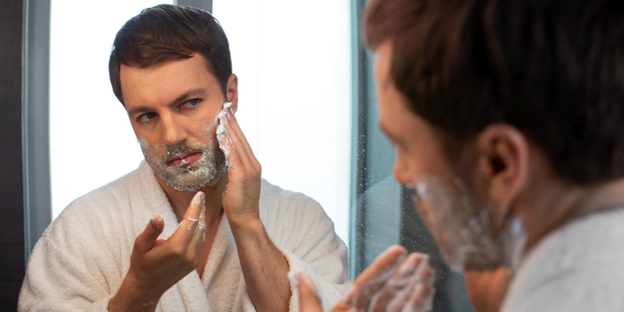
You can own the best trimmer on the market and still end up with itching, redness, or patchy results. Why? Because trimming doesn’t start with the device it starts with your skin. Most grooming mistakes happen before the blades even touch your face or body. Proper pre-grooming skin care softens hair, clears buildup, and creates the perfect surface for smooth, comfortable trimming. If you want sharper results with less irritation, your routine needs to begin here.Your skin is not just a surface, it's a living barrier with pores, oils, bacteria, and hair follicles. When you use a trimmer without preparing it, you create friction and stress on the skin. Proper pre-grooming skin care reduces this stress, helps hair cut easily, and protects against post-trim discomfort.
Skin prep directly affects trimming comfort and safety of skin.
Problems That Occur When Skin Isn’t Prepared
- Skin feels rough during trimming
Dry or dirty skin creates resistance, making the trimmer drag instead of glide.This friction can inflame the top layer of the skin, leading to redness and sensitivity that may last hours or even days.
Oil and sweat press hair flat, so some strands get missed.
Tiny trimmed hair particles combined with clogged pores can irritate nerves in the skin, causing that uncomfortable itchy feeling.
- Higher chance of micro cuts or nicks
Rough, unprepared skin makes it harder to control your trimmer, increasing the risk of small cuts or nicks.
Proper skin preparation turns trimming from a harsh process into a smooth one.
Step-by-Step Pre-Grooming Skin Care Routine
Step 1 Deep Cleansing the Skin
Cleansing removes invisible buildup that interferes with trimming.
What builds up on skin daily:
- Before trimming, your skin carries sweat, oil, and dirt that you can’t see.
- Pollution particles that clog pores
- Excess oil that traps dirt
- Bacteria that may cause infections
If you run a hair trimmer over this layer, you risk spreading bacteria and causing breakouts.
Detailed cleansing method:
- Wet the skin with lukewarm water and then.
- Apply a gentle cleanser or foam suited to your skin type.
- Massage slowly in circular motions to lift debris.
- Focus on folds like the neck or underarms.
- Rinse completely to avoid residue.
- Pat dry with a clean towel and don't rub your skin.
Clean skin ensures smoother blade contact.
Step 2 Warm Water or Steam Preparation
Heat softens hair and prepares pores.
Benefits explained:
- Softened hair cuts easier, reducing pulling
- Warmth increases blood flow, relaxing skin
- Pores open slightly, allowing deep cleansing
- Reduces discomfort when trimming thicker hair
A warm shower before using a trimmer improves cutting efficiency significantly.
Step 3 Exfoliating Dead Skin Cells
Dead skin acts like a barrier between blade and hair.
Why exfoliation improves trimming:
- Removes dull surface cells
- Prevents hair from getting trapped
- Allows closer, more even trimming
- Reduces bumps and irritation later
Safe exfoliation methods:
- Gentle scrub with fine particles
- Soft exfoliating glove
- Mild chemical exfoliant once a week
Step 4 Proper Drying Before Trimming
Dry skin improves control.
Why drying matters:
- Prevents slipping of the trimmer
- Allows better hair visibility
- Avoids uneven cuts
- Reduces accidental over-trimming
Patting dry keeps the skin calm and ready.
Step 5 Brushing or Combing Hair
Hair direction affects trimming accuracy.
Benefits of aligning hair:
- Makes cutting more uniform
- Reveals missed areas
- Improves beard shaping
- Reduces repeated passes of the hair trimmer
Step 6 Inspecting Skin Before Trimming
This step prevents complications.
Do not trim over:
- Active acne
- Cuts
- Skin infections
- Sunburn
- Irritated patches
Your hair trimmer for men should only be used on healthy skin.
Step 7 Optional Protective Barrier
Useful for sensitive skin types.
Helps by:
- Reducing blade friction
- Preventing redness
- Helping the trimmer glide smoothly
- Protecting the outer skin layer
Use lightweight products only.
Area specific Skin Preparation Tips
Face & Beard
Use mild cleanser and steam for 2 to 3 minutes.
Chest & Body
Exfoliate weekly and dry completely.
Underarms
Clean thoroughly to remove sweat bacteria.
Sensitive Areas
Avoid strong scrubs and hot water.
Long Term Skin Care Improves Every Trimming Session
Healthy skin supports better grooming.
- Stay hydrated
- Moisturize daily
- Avoid harsh soaps
- Exfoliate regularly
- Protect skin from sun damage
Common Pre-Grooming Mistakes to Avoid
- Trimming sweaty skin
- Skipping cleansing
- Using dirty blades
- Applying heavy creams
- Ignoring skin irritation
Signs Your Skin Was Not Prepared Properly
- Red patches
- Burning sensation
- Itching
- Bumps
- Uneven trimming
Conclusion
Pre grooming skin care is not optional, it is the foundation of safe grooming. Cleansing, warming, exfoliating, and drying your skin ensures your trimmer works smoothly while protecting your skin. Even the best hair trimmer for men cannot fix poor skin preparation.
Strong takeaway: Healthy skin equals better trimming results and long term skin comfort.
FAQs
1. Should I trim before or after showering?
After showering. Warm water softens hair and opens pores.
It also reduces irritation and improves trimming comfort.
2. Is exfoliating necessary before using a hair trimmer?
Yes. It removes dead skin and prevents ingrown hairs.
It also improves smoothness and overall skin health.
3. Can I apply moisturizer before trimming?
Yes, but only a light layer.
Heavy creams can clog blades and reduce performance.
4. How often should I exfoliate if I trim regularly?
2 to 3 times per week.
Overdoing it may irritate or thin the skin barrier.
5. Why does my skin itch after trimming?
Usually due to dryness or clogged pores.
Good skin prep and hydration can prevent this issue.
6. Can I use a trimmer on irritated skin?
No, wait until it heals. Trimming irritated skin can worsen inflammation.