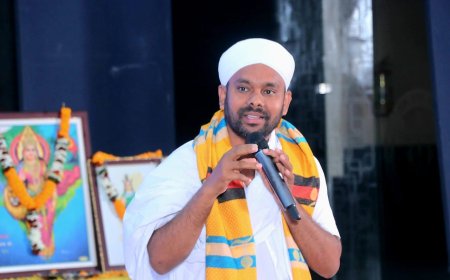
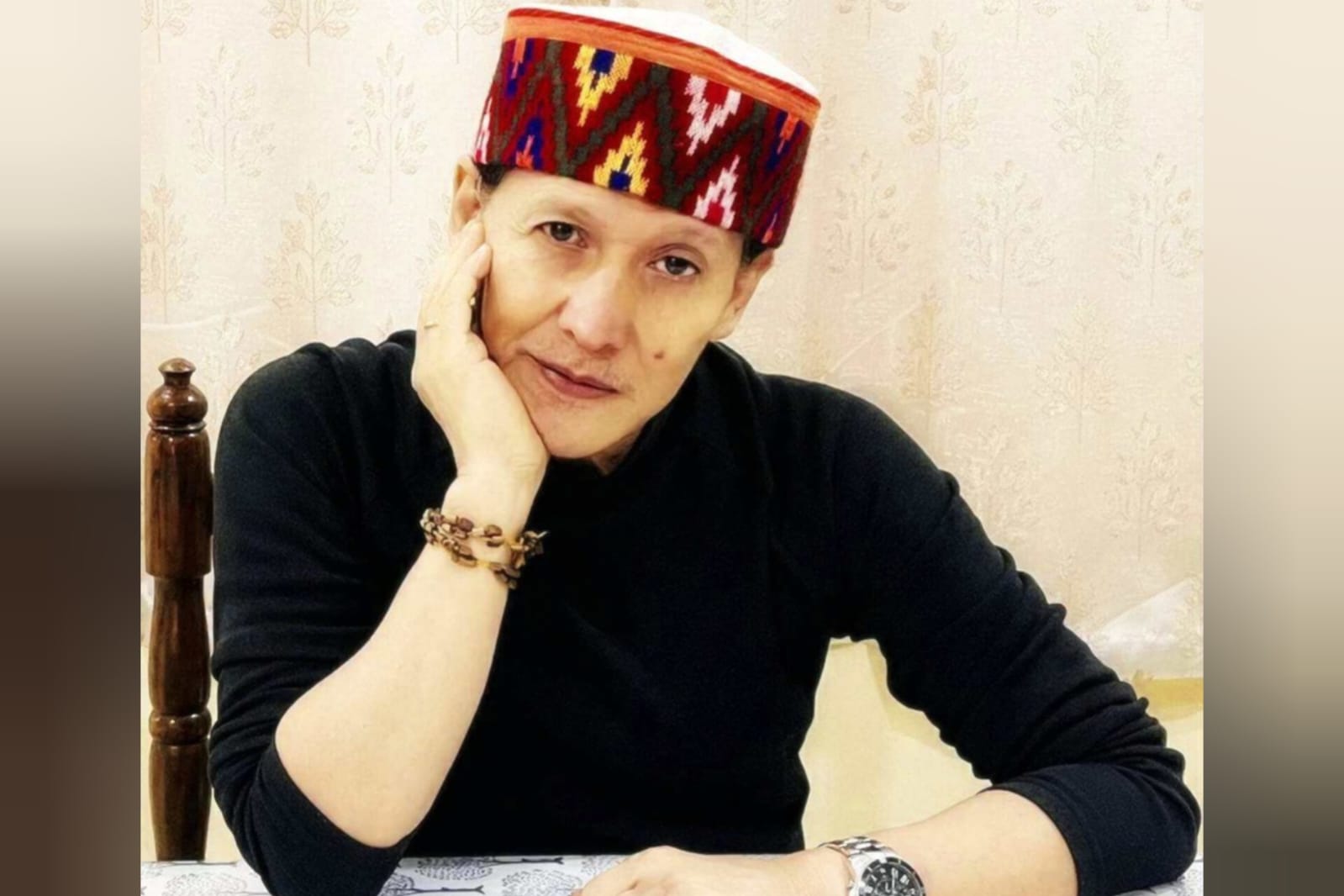
In row to views on eminent personalities of North-east and social causes, Renowned poet and novelist Sankha Subhra Devbarman, celebrated for his searing social consciousness and lyrical resistance against injustice, has expressed profound anguish and fury over the racially motivated killing of Angel Chakma, a 24-year-old MBA student from Tripura, in Dehradun. Known for blending humanism with fearless truth in his writings, Devbarman’s voice has long echoed the pain of the marginalized—and this time, it trembles with grief and rage.
Reacting to the brutal attack that left Anjel battling for life for over two weeks before succumbing to his injuries on December 26, Devbarman said the incident is “a mirror held up to people that still refuses to see its own racism.”
“Angel Chakma was not killed only by knives and blunt weapons,” Devbarman wrote in an emotionally charged statement,
“He was killed by slurs, by silence, by the everyday normalization of hatred against the people of the North- East. His blood stains not just the streets of Dehradun, but the conscience of India.”
Calling the crime a collective moral failure, Devbarman condemned the racial abuse that preceded the attack, where Angel and his brother were branded “outsiders” in their own country.
“What kind of people are we becoming,” he asked,
“where a young student seeking education is hunted like prey for his face, his accent, his identity?”
The poet-novelist did not mince words while addressing the broader social climate that enables such violence. He warned that racism against India’s North-eastern communities is not accidental, but cultivated—fed by ignorance, political apathy, and toxic ideologies.
Devbarman wrote,
“Angel’s death is not an isolated crime; it is the outcome of years of dehumanization.”
As protests surge across the country and the main accused remains absconding, Devbarman demanded swift justice and structural change—not symbolic condolences.
“Arrests are not enough,” he asserted.
“We need accountability, education, and a national reckoning. Otherwise, Angel Chakma will become just another name we mourn briefly and forget conveniently.”
Sankha Subhra Devbarman also said
“If we cannot protect our children from being killed for who they are, then poetry itself must scream, novels must burn, and silence must be treated as a crime.”
His words have since resonated widely across social media and literary circles, amplifying the growing demand that Angel Chakma’s death must not fade into statistics—but ignite justice, reform, and dignity for India’s North-East.
Disclaimer: The content of this post has been automatically published from an agency feed without any changes to the original text and has not been reviewed by our company's editor. Our editorial team or company does not take responsibility for any errors or inaccuracies.