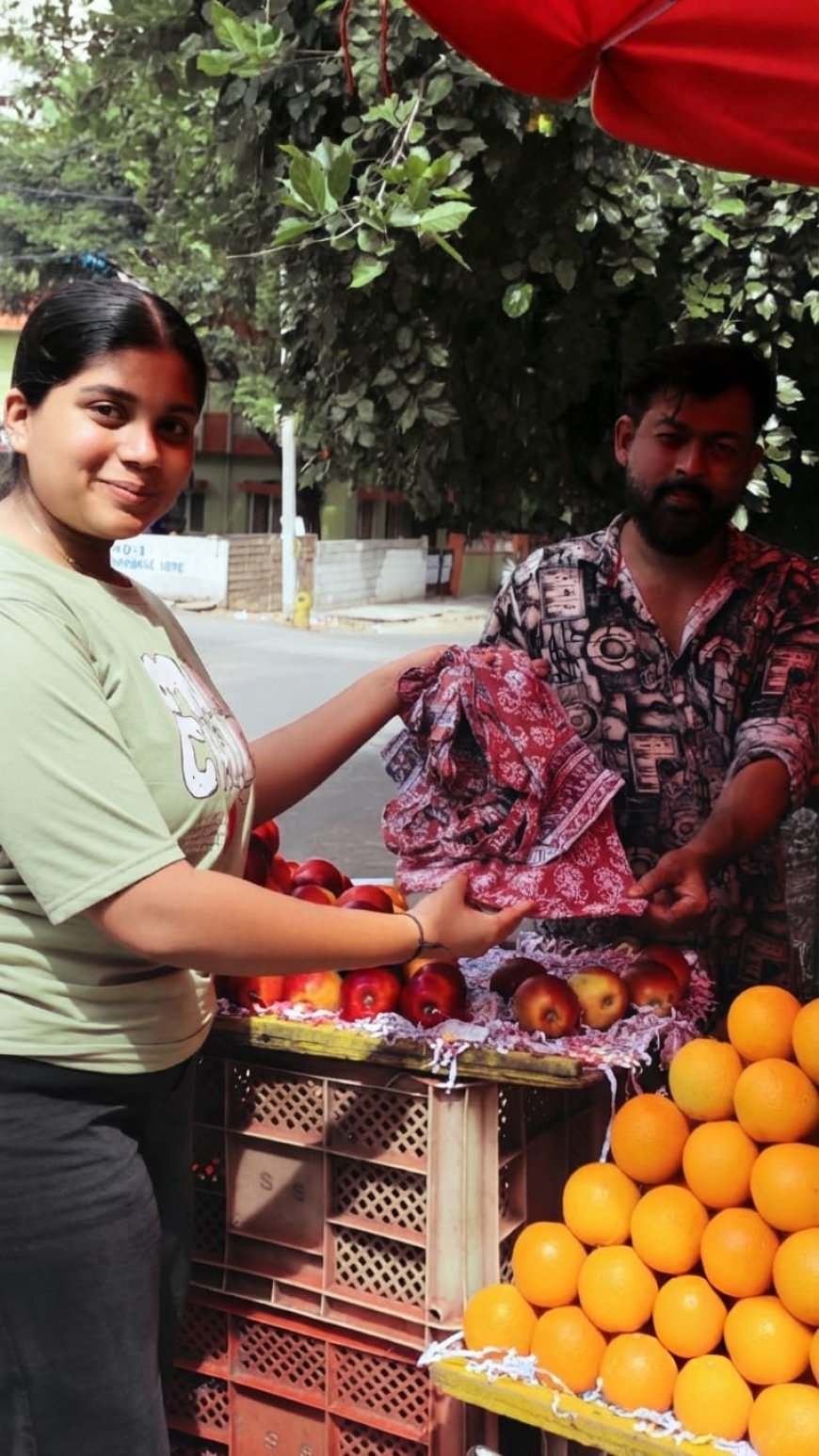
The bags were made from 180 sarees that were no longer being used. Collected through different drives and stitched into reusable bags with the support of tailor Mrs. Bharthi, the initiative brought together textile reuse, community participation and plastic reduction during one of the city's busiest festive periods.
The campaign was carried out over three days and focused on a simple intervention. Instead of accepting another plastic bag while buying flowers, garlands, fruits, leaves or other items for Ganesh Chaturthi, shoppers could choose a reusable cloth alternative.

A Festival Campaign Built Around Everyday Choices
The idea behind the initiative was not limited to distributing bags. It focused on changing a familiar shopping habit.
Festival purchases often involve several small transactions, with plastic bags becoming an automatic part of the process. By placing reusable bags directly with shoppers and vendors, Manya's campaign attempted to introduce an alternative at the point where that decision was being made.
Families were also encouraged to carry reusable bags from home when going to the market. The broader message was that celebrations and environmental responsibility do not have to exist separately.
The Story Behind Grandma's Green Weave
The campaign is part of Grandma's Green Weave, an initiative inspired by Manya's late grandmother, V. Rudramma.
Rudramma believed in making use of what was already available instead of discarding materials unnecessarily. Manya grew up observing her grandmother reuse old items and approach everyday resources with care.
That influence eventually became the foundation for an initiative centred on upcycling old sarees and bedsheets. Instead of allowing unused textiles to become waste, they are converted into practical cloth bags.
The concept gives the material a second use while creating a reusable alternative for everyday shopping.
From Old Sarees to 31,000 Reusable Bags
The scale of Grandma's Green Weave has grown considerably over the last three years. More than 2,400 sarees and 350 bedsheets have been transformed into 31,000 reusable cloth bags.
The bags have been distributed free of cost to communities, families and street vendors.
The Ganesh Chaturthi campaign became one of the initiative's larger recent distribution drives, with more than 2,500 bags reaching local markets within three days.
For the campaign, the process began with collecting unused sarees. The fabric was then stitched into bags before being taken into the community. Mrs. Bharthi played an important role in converting the collected sarees into usable bags.
The journey from an unused household textile to a shopping bag illustrates the central principle of the initiative: waste can sometimes be avoided simply by finding a new purpose for something that already exists.
Environmental Awareness Reaches Bengaluru Schoolchildren
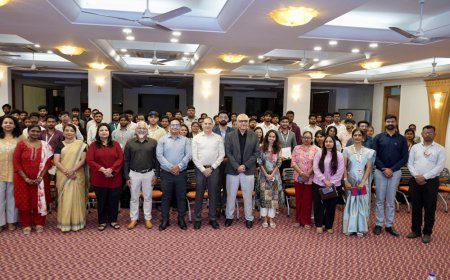
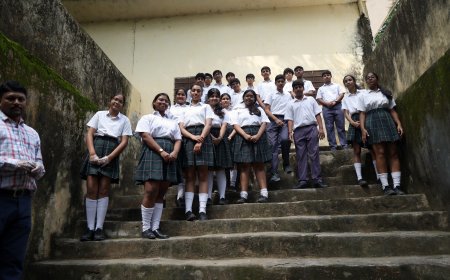
Manya Harsha also took the message beyond the marketplace through an interaction at Chunchunghatta Primary School.
Nearly 175 students from Grades 2 to 5 participated in one on one sessions focused on reusable bags and reducing dependence on single use plastic.
The students were encouraged to carry cloth bags from home when shopping and to make conscious choices during festive occasions. Teachers and the school's Headmistress supported the programme and facilitated the interaction.
The school outreach reflects another aspect of the initiative, where environmental awareness is introduced through practical habits rather than only through general discussions about pollution.
Manya Harsha's 50,000 Bag Goal
Grandma's Green Weave has now reached 31,000 reusable bags over three years, but the initiative has set a larger target for the current year.
The goal is to distribute at least 50,000 reusable cloth bags this year.
The target builds on an approach that combines textile upcycling with direct community distribution. Every bag begins with material that has already served one purpose and is then given another useful life.
For Manya Harsha, the journey began with a lesson inherited from her grandmother. Today, that lesson is being carried into markets, schools and communities through thousands of reusable bags.
The Ganesh Chaturthi campaign demonstrated how that idea can fit naturally into everyday life. A saree that was once no longer needed became a bag for festive shopping, while the act of carrying it offered shoppers a practical way to avoid another single use plastic bag.
As Grandma's Green Weave works towards 50,000 bags, its central proposition remains uncomplicated: reuse what already exists, extend its life and make sustainable choices part of ordinary routines.