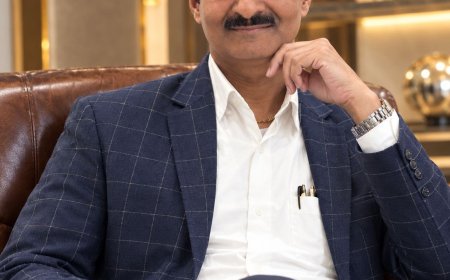
A BBA graduate from BIT Mesra with a specialisation in HR from IIM Kozhikode, Rohit wanted to manufacture products himself and create a brand that could become part of the everyday lives of thousands and lakhs of people. Choosing Ranchi was deliberate. He wanted to build from his hometown and create local employment opportunities.
When the Numbers Were Not Working
White Dust began with one product category: agarbattis. Between 2021 and 2023, annual sales remained below ₹10 lakh. Customers were still getting to know the brand, sales were inconsistent, and production costs, salaries and other expenses kept adding pressure.
There was a point when Rohit seriously considered shutting the business down. Instead, he decided to question what the company was offering and what it could become.
The team spent five to six months testing products and refining production methods. Some trials failed, bringing wastage and financial losses. But the larger goal was to build multiple product lines under one Indian brand, rather than depend on a single category.
The Breakthrough Came in 2024
White Dust gradually expanded into Ghee Diyas, Pure Camphor, Bhimseni Kapoor and other puja and devotional products. It also launched its own online store and reached customers across India.
In 2024, the company crossed ₹20 lakh in monthly sales for the first time. Sales in that one month exceeded the company's combined sales during its first three years—a milestone that marked a major shift after a long period of uncertainty.
Marketplace sales and digital advertising helped the products reach a wider audience, while production capacity grew to meet rising demand. The business began setting new sales records, but growth also brought a new challenge: funding inventory, manufacturing, salaries and marketing.
Scaling Comes with New Responsibilities
A credit line from Meta and subsequent financial support through the Government of India's Credit Guarantee Fund Trust for Micro and Small Enterprises (CGTMSE) scheme helped address some of White Dust's funding requirements. Rohit remains grateful to Prime Minister Narendra Modi and the Government of India for initiatives that support growing Indian businesses.
Retailers from across India, including Jammu, Ladakh and the Andaman region, began approaching the company. White Dust also entered quick commerce, making its products available through faster delivery channels in supported locations. Products that once took months to sell could, in certain cases, move within two or three days.
The People Who Saw the Beginning
Rohit's mother, mama, sister and father supported him through the uncertain early years and the growth that followed. As the first person in his family to venture into entrepreneurship, their support remains an important part of his story.
His first employee, now the company's Production Head, has witnessed the transformation from the beginning. One sentence from him has stayed with Rohit:
“Sir, aapne kaha se shuru kiya tha aur aaj kaha tak aa gaye hain.”
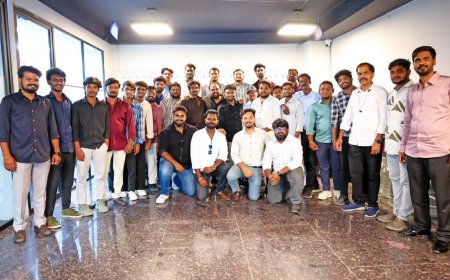
For Rohit, those words capture something sales figures cannot: the distance travelled from the original one-room factory to a growing D2C business with a larger production setup, a growing team and customers across India.
Still Building
Rohit believes discipline matters after the excitement of starting a business fades. His philosophy is simple:
“You already know what you need to do to make it right. Most of the time, you're just negotiating with your comfort.”
White Dust continues to expand its product range and reach more customers. The ambition remains rooted in the same place it began: build in Ranchi, manufacture in India and create products for Indian customers.