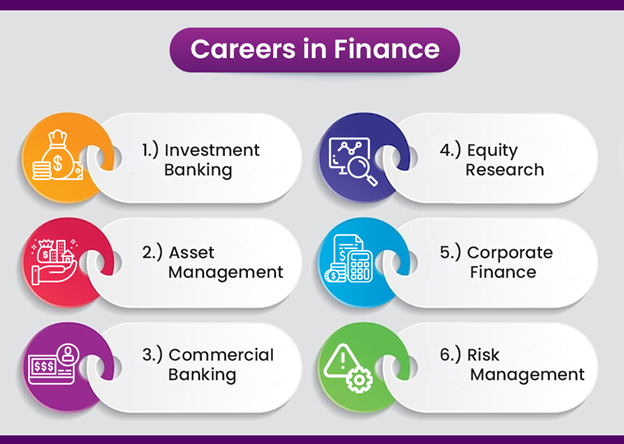
Finance, in today’s world, is no longer confined by national borders. With sufficient credentials, an Indian student could find employment in Dubai, London, or Singapore for a multinational company. Because the global finance marketplace is expanding at an unprecedented rate, corporations are increasingly seeking employees with the ability to think outside the confines of geographic boundaries.
The CMA, ACCA, and FRM represent large career opportunities for individuals with these globally accepted certifications. In addition to providing an education in finance, these certification programmes allow for access to a global career.
Below, we provide a detailed analysis of how modern-day finance aspirants can create a career without borders and how knowledge of CMA, ACCA, and FRM course offerings will impact their professional career path.
Why Finance Careers Are Becoming Borderless
The finance sector operates as an interconnected and interdependent world today. Companies rely on international companies, cross-national capital investment, trade treaties, and digital financial instruments for conducting their daily business.
- The global financial marketplace impacts decision-making at all levels in the corporate space, such as mergers and acquisition decisions, risk management, and corporate reporting, and is reliant upon data and standards held globally.
- As a result of these changes, the value of having a global credential is now extremely high.
- Courses such as CMA/ACCA/FRM provide worldwide recognition to students, enabling them to work in many countries without the need for further qualifications.
The Role of Global Professional Courses in Building International Careers
Not only do professional finance programs serve as accredited credentials, but they also provide a pathway to professional development opportunities. These programmes also provide an avenue of transition from certification level to the level of skill required by international corporations. Here are three of the most highly regarded available in the financial sector today.
The CMA: A Passport to Global Management Accounting Careers
CMA (Certified Management Accountant) is one of the most recognized management accounting certifications worldwide. International firms, especially those in consulting, manufacturing, technology, and financial services, value the CMA certification.
Understanding CMA Course Details
Start your CMA professional development journey fully informed about the CMA course details. The CMA programme will help you develop financial leadership skills that meet the current needs of businesses.
What the CMA Curriculum Covers
Typically, the CMA course curriculum includes the following areas of study:
- Financial Planning
- Cost Management
- Internal Controls
- Performance Management
- Strategic Financial Decisions
By focusing on these areas within the CMA Program, students gain knowledge that enables them to develop their ability to act strategically, make informed choices through analysis-based reasoning, and collaborate effectively with senior management.
Due to CMA's global recognition as one of the highest-competency accounting certifications worldwide, it has become a popular career path for many seeking employment opportunities in the USA, the Middle East, Europe, and Asia.
Career Scope After CMA
Compliance with the CMA provides several professional opportunities to support the following types of certified professionals:
- Financial Analyst
- Cost Accountant
- Budget Manager
- Corporate Finance Manager
- CFO Candidate(s).
Certification indicates a mastery of the global business language.
ACCA: Building Global Accountants for a Global Economy
The worldwide market has created a demand for accountants with knowledge of global accounting standards. Due to this growth, there has been a rapid increase in the number of professionals who have been trained to meet the growing demand for chartered accountants who adhere to the international financial reporting standards (IFRS).
The Association of Chartered Certified Accountants (ACCA) is one of the largest and best-known accounting organisations in the world.
Exploring ACCA Course Subjects
The reason for ACCA's global acceptance can be attributed to the diverse course offerings available. By seeing the variety of courses available through ACCA, the student will understand how complete and globally aligned the ACCA courses are.
What You Learn in ACCA Course Subjects
The ACCA course subjects include a blend of accounting, auditing, and business modules, such as:
- Financial Reporting (IFRS-based)
- Audit and Assurance
- Financial Management
- Taxation
- Corporate Law
- Strategic Business Reporting
- Advanced Audit
- Performance Management
These ACCA course subjects are integrated to match global employer expectations, making ACCA graduates competent to work in over 180 countries.
Why ACCA Is Ideal for International Aspirants
The ACCA curriculum has an emphasis on the real-life business world, using real-life examples from all over the globe. Because of this emphasis, employers at many of the largest financial institutions rely on ACCA professionals as their preferred choice of employee.
These same employers are a huge source of employment in the
- Auditing
- Corporate accounting
- Financial analysis
- Tax consulting and investment advisory professions.
Due to the global reach of ACCA, students have the flexibility and freedom to pursue their career choice anywhere in the world.
FRM: The Gold Standard for Risk Management Careers Worldwide
Risk management occupies one of the most prominent positions of importance within finance, due to the volatility of the financial markets in today's economies. The Financial Risk Manager (FRM) certification is highly valued in finance, as it helps organisations identify, quantify, and mitigate their financial risk exposure.
Why is FRM a Global Career Catalyst?
Companies today rely on data, analytics, and risk analysis to make decisions. This makes FRM one of the most future-focused certifications available.
What the FRM Curriculum Covers
The FRM programme focuses on:
- Risk modeling
- Valuation and risk measurement
- Credit risk
- Market risk
- Operational risk
- Financial markets and products
Its rigorous curriculum prepares professionals to handle real-world financial crises, assess uncertainties, and protect institutions from unexpected disruptions.
Global Career Roles After FRM
FRM-certified professionals are hired by:
- Banks
- Investment firms
- Hedge funds
- Regulatory bodies
- Consulting firms
Roles include:
- Risk Analyst
- Market Risk Manager
- Credit Risk Specialist
- Financial Risk Consultant
FRM prepares professionals to work in global financial hubs like New York, London, Singapore, Hong Kong, and Dubai.
How These Courses Influence Finance Without Boundaries Careers
The key feature of CMA, ACCA, and FRM certifications is their global recognition, distinguishing them from other certifications. The CMA, ACCA, and FRM syllabi, for example, are based on international standards, not national legislation like in many countries.
Why Students Choose These Global Certifications
- International Mobility:
- Greater Potential for Earning a Salary
- Opportunities to Work with Global Companies
- Training that Develops Skills Needed in Global Economies
- Access to Large Networks of Professionals
If you wish to work in managerial accounting, international audit, or international risk management, these courses can help you get there!
Conclusion: Your Path to a Global Finance Career Starts Now
The industry is growing and offers many global licensing opportunities, including CMA, ACCA and FRM. The CMA qualification provides comprehensive curriculum information through an in-depth understanding of the CMA syllabus.
The ACCA qualification provides much greater detail than is provided at the CMA level, and the FRM qualification offers superior education for finance professionals looking to have a positive impact in their chosen financial sectors of choice, whether they be manufacturing, retail, finance, etc. As a result of this detailed knowledge of these professional designations, finance professionals will be equipped to establish and grow successful careers in multiple industries and geographical markets around the world.