The growing use of mobile phones, computers, televisions and other electronic devices has increased the need for safe e-waste management in India. As consumers and businesses replace old equipment, discarded electronics can pose risks to the environment if they are not handled and processed with care.
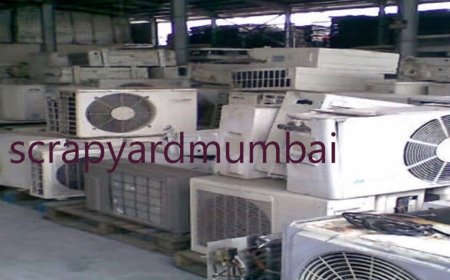
Electronic waste, or e-waste, includes electrical and electronic products that have reached the end of their useful life or are no longer needed. These items may contain metals, plastics, glass and other materials that can be recovered through suitable recycling methods. However, some devices also contain hazardous substances that require careful handling.
E-waste recycling India has become an important part of efforts to manage this waste stream. The process can help recover useful materials, reduce pressure on landfills and limit the risks linked to unsafe disposal.
E-Waste Recycling India Focuses on Material Recovery
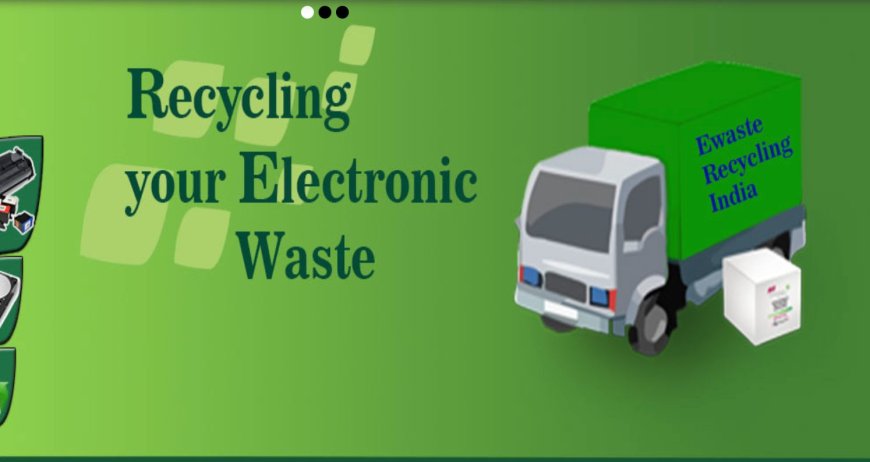
E-Waste Recycling India, a service provider based in Mumbai, states that it began operations in 2013. Its stated work includes the collection, handling and recycling of waste electrical and electronic equipment.
The company describes its approach as an effort to reduce the amount of discarded electronics that enter landfills or informal recycling channels. Its stated objective is to recover materials such as metals, plastics and glass for further use in industry.
Material recovery is a key part of electronic waste management. Recycling can reduce the need to extract fresh raw materials, while suitable processing can help keep valuable resources in use for longer.
The results depend on how waste is collected, sorted and treated. Proper facilities and trained workers are also important, particularly when equipment contains substances that could harm people or the environment.
Recycling Covers Computers, Phones and Other Devices
E-waste includes a wide range of products, from computers and mobile phones to display screens, printers and other electronic equipment. Devices that are suitable for repair or reuse may remain useful, while damaged or obsolete products can be assessed for recycling.
E-Waste Recycling Mumbai India lists electronic waste recycling among its services. The process aims to separate recoverable materials from components that need special treatment.
The company also lists toner cartridge recycling. Used cartridges contain a mix of plastic, metal and residual toner, which means they require appropriate handling rather than disposal with ordinary household waste.
Recycling these products can help recover materials that would otherwise be lost. However, the benefits depend on safe processing and proper management of any remaining waste.
Data Destruction Becomes Part of Electronic Disposal
Businesses often face a separate challenge when they retire computers, servers and storage devices. Such equipment may contain customer records, financial documents, employee information or other confidential data.
Deleting files does not always remove the underlying information permanently. Depending on the device and method used, deleted data may still be recoverable.
E-Waste Recycling India lists data wiping, hard disk shredding and data destruction among its services. Data wiping uses software to overwrite stored information, while physical destruction damages a storage device so that it cannot be used in its original form.
The appropriate method depends on the type of media, the sensitivity of the information and the organisation's security requirements. Businesses should also keep records of how equipment and data are handled during disposal.
Refurbishment Offers an Alternative to Early Disposal
Not every used computer needs immediate recycling. Some equipment may still work or may be restored through repair and refurbishment.
E-Waste Recycling India also lists computer refurbishment for rural areas and non-governmental organisations among its activities. Reusing suitable equipment can extend its useful life and improve access to digital tools.
However, refurbished devices must remain safe and functional. Equipment that cannot be repaired economically or reliably may need to enter an appropriate recycling process instead.
Choosing reuse before recycling, where practical, can help reduce waste. It can also delay demand for new devices and the resources needed to manufacture them.
Collection Networks and Safe Processing Remain Important
The company describes a collection and recycling network covering several parts of India, including Mumbai, Delhi, Gujarat, Hyderabad and Uttar Pradesh. It has also outlined plans to expand facilities or collection services into other locations.
Such networks can help move discarded equipment towards suitable treatment facilities. Yet, collection alone does not guarantee safe recycling. Waste must reach authorised facilities, and hazardous components must be handled according to applicable rules.
Informal processing can expose workers to harmful substances when electronics are dismantled, burned or treated without suitable safeguards. Safe working conditions, pollution controls and responsible disposal of residues remain essential.
India's e-waste management framework places importance on authorised recycling and the responsibilities of producers and other stakeholders. Consumers and businesses can support these efforts by using appropriate collection channels rather than mixing electronic waste with general rubbish.
Responsible Disposal Can Support Resource Conservation
Electronic devices may contain copper, aluminium, iron and other recoverable materials. Some components also contain small amounts of precious metals. Recovering these resources can reduce demand for virgin materials and help limit waste.
At the same time, recycling must be carried out with suitable controls. Poorly managed operations can release hazardous substances into the air, soil or water.
As electronic consumption continues to shape daily life, better collection, repair, reuse and recycling will remain important. Clear disposal practices and reliable processing systems can help reduce environmental harm while keeping useful materials in circulation.
Frequently Asked Questions
1. What is e-waste recycling?
E-waste recycling is the process of collecting and treating discarded electronic equipment to recover useful materials and manage hazardous components safely.
2. Which items are considered e-waste?
Common examples include old computers, mobile phones, televisions, printers, monitors and used electronic accessories.
3. Why is safe e-waste disposal important?
Unsafe disposal can release harmful substances into the environment. Proper recycling helps recover resources and reduces the risks linked to informal processing.
4. What is the difference between data wiping and hard disk shredding?
Data wiping uses software to overwrite stored information. Hard disk shredding physically damages the storage device to prevent its normal reuse.
5. Can old computers be reused instead of recycled?
Yes. Computers that remain functional or can be safely repaired may be refurbished and reused. Equipment that cannot be restored should be sent through an appropriate recycling channel. E waste recycling mumbai price address the companies in Mumbai Free e waste recycling mumbai companies in India.