The hair transplant industry in India has changed dramatically over the last two decades. With growing awareness around cosmetic procedures and rising demand from younger patients, hair restoration has become one of the fastest-growing segments in aesthetic medicine. Yet alongside this expansion, the sector has also faced criticism for technician-led surgeries, misleading advertising, and factory-style treatment models.
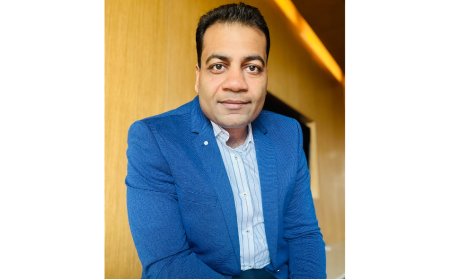
In this competitive market, Mumbai & Mohali based hair transplant surgeon Dr. Tejinder Bhatti has built a long-standing reputation for direct surgeon involvement, ethical treatment practices, and long-term patient care.
As Dr. Bhatti completes 20 years in the field of hair restoration surgery, many within the industry see his practice model as an example of how personalized cosmetic treatment can still exist in an increasingly commercial sector.
Hair Restoration Demand Continues to Rise in India
Hair loss concerns are no longer limited to older age groups. Dermatologists and hair restoration specialists say a growing number of patients in their 20s and early 30s are now seeking medical advice for thinning hair and pattern baldness.
The increase has been linked to genetics, stress, changing lifestyles, and growing awareness around available treatment options. Social media and digital visibility have also played a role in making appearance-related procedures more mainstream.
As demand increased, hair transplant clinics expanded rapidly across major Indian cities. However, medical experts warn that rapid commercial growth has also created major differences in treatment quality.
Patients are now becoming more cautious about choosing clinics, especially after reports of poorly managed surgeries and unnatural-looking results from high-volume centers.
Personalized Surgery Model Gains Patient Trust
One of the biggest changes in the hair transplant industry has been the shift toward multi-patient surgery models. In many clinics, doctors supervise several operations at once while technicians perform extraction and implantation work.
Hair restoration specialists say this trend has raised concerns about accountability and surgical precision. Hair transplantation requires careful donor management, graft handling, and hairline planning, all of which directly affect long-term outcomes.
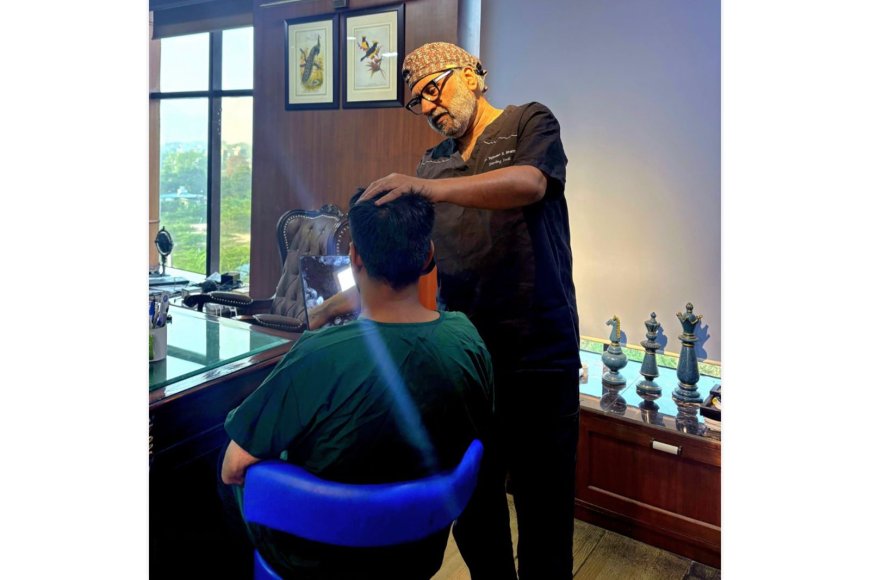
Dr. Bhatti’s “One Patient. One Doctor. One Clinic.” philosophy has become widely associated with his practice over the years. Instead of operating in a mass-volume format, he continues to follow a controlled treatment structure where surgeries are done by him personally.
Experts in cosmetic surgery say this type of approach allows greater consistency in graft placement and natural density creation.
Patients increasingly prefer doctor-performed procedures because they understand that poor planning and implementation can permanently affect donor areas and limit future restoration options.
Natural Hairline Design Becomes Industry Focus
Modern hair transplantation has evolved far beyond simple hair coverage. Patients today expect natural-looking density and hairlines that match facial structure, age, and future hair loss progression.
According to specialists, hairline creation remains one of the most technically demanding aspects of hair restoration surgery. Even small errors in angle placement or density distribution can create an artificial appearance.
Dr. Bhatti has become known for conservative and realistic hairline planning aimed at long-term natural appearance instead of short-term cosmetic impact.
Hair restoration experts say this approach is especially important because transplanted hair should continue to look balanced as patients age.
The rise of high-definition cameras and social media visibility has further increased expectations around natural-looking outcomes.
DHX Technique Reflects Shift Toward Precision Surgery
Over the years, Dr. Bhatti has also gained attention for developing the DHX hair transplant technique, designed to improve graft handling and implantation precision.
According to specialists, graft survival remains one of the most important factors affecting transplant success. Damage during extraction or implantation can reduce hair growth and impact final density.
The DHX method focuses on minimizing trauma to follicles while maintaining natural growth direction and balanced density patterns.
Industry experts say advancements in hair transplantation are now centered more on refinement and realism than dramatic cosmetic transformation.
Patients also increasingly expect quicker recovery periods and limited visible scarring after surgery, leading surgeons to adopt more precise techniques.
Hospital Infrastructure Adds Medical Safety
Unlike many cosmetic centers operating from standalone facilities, Dr. Bhatti conducts surgeries at 5 Rivers Hospital in Mohali.
Medical professionals say hospital-based procedures provide stronger sterilization standards, anesthesia monitoring, and emergency preparedness compared to smaller cosmetic setups.
Safety standards have become a major topic in India’s cosmetic medicine sector as awareness around surgical complications continues to grow.
Doctors say patients now evaluate clinics based not only on pricing but also on infrastructure, surgeon involvement, and post-operative medical support.
For international patients travelling to India, hospital-linked procedures often offer additional confidence regarding treatment quality and safety protocols.
Long-Term Follow-Up Creates Transparency
One of the recurring criticisms of the cosmetic surgery industry is the use of heavily edited promotional images that fail to show realistic long-term outcomes.
Hair restoration specialists say successful transplantation should be evaluated over several years rather than only during the early recovery period.
Dr. Bhatti has become known for documenting long-term patient results and growth timelines, allowing prospective patients to see how transplanted hair performs over time.
Experts say this type of transparency is becoming increasingly important as online patient communities and independent reviews influence treatment decisions.
Long-term documentation also helps patients better understand donor area preservation, density maturity, and natural aging patterns after surgery.
Wet Hair Test Introduced New Evaluation Standard
Dr. Bhatti is also credited with introducing the “Wet Hair Test,” a method used to assess transplant density and naturalness under wet conditions.
Hair transplant experts explain that wet hair reveals gaps and inconsistencies more clearly than dry or styled hair, making it a more practical way to evaluate surgical quality.
The method gained attention because it encouraged clinics to focus on actual density planning and realistic results rather than relying only on marketing photography.
Industry observers say it also helped educate patients about how to judge transplant outcomes more accurately.
Continuing Influence in Hair Restoration Surgery
As India’s hair transplant industry continues to grow, discussions around ethics, transparency, and patient safety are expected to remain central to the field.
Over the last 20 years, Dr. Tejinder Bhatti’s career has reflected a slower and more controlled approach to cosmetic surgery, one focused on personalized treatment, realistic planning, and direct surgeon involvement.
Mumbai & Mohali based, Dr. Bhatti remains one of India’s recognized names in hair restoration surgery, particularly among patients seeking medically supervised procedures and natural-looking long-term results.