What does AI photography actually do?
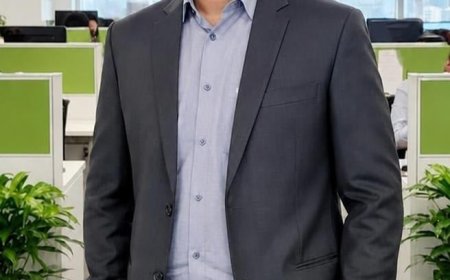
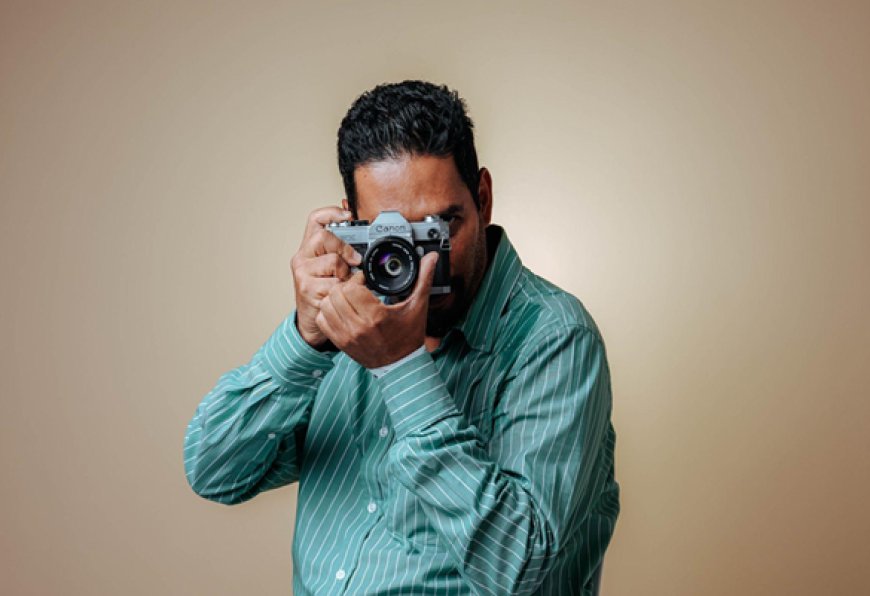
It extends the camera rather than replacing it. Nevatia explains that AI headshot tools learn from a set of a person’s real photos, then generate polished images in different settings, outfits, and lighting. For a working professional who needs a sharp LinkedIn headshot but cannot spare a studio afternoon, that is a real saving in both time and money. The camera still matters; the model simply handles the repetitive part faster.
Where does the human eye still win?
In judgement. The technology is powerful, but Nevatia is clear that choosing the right expression, catching when a result looks subtly off, and matching the mood to the person are still creative decisions. He treats generative AI as a very capable assistant, not the photographer. The visual storytelling, he says, is the part a model cannot do for you. A trained eye also knows when to stop, which is often the harder skill when the software will happily keep polishing.
How do you get a natural-looking AI portrait?
Start with good inputs. The most common mistake is expecting magic from poor source photos. Nevatia asks clients for clear, varied images in good light, because the output can only be as good as what it learns from. He also keeps the retouching believable, resisting the urge to smooth a face into plastic. A portrait should still look like a real person on their best day, not a rendered one. When a result drifts too far, he regenerates it rather than shipping an image that only half resembles the client.
How do you keep AI portraits honest and trustworthy?
By being open about what is AI-assisted. As these images spread, Nevatia believes photographers owe their clients that honesty. For a headshot or a brand portrait, transparency is what protects trust. He avoids anything that would misrepresent a person, keeping the work on the side of flattering rather than fabricating, and never pushing a likeness beyond what someone would recognise as themselves.
Who is AI photography best for?
Not every job, but more than you might think. Weddings and live events still need a camera in the room. For professionals refreshing a profile, founders who need consistent team portraits, and small brands on a budget, Nevatia sees AI photography as a practical option that did not exist a few years ago.
Product sellers benefit too, since AI product photography can turn a handful of sample shots into a full catalogue of clean, consistent images. Anyone curious about the approach can see the range of work by Vinay Kumar Nevatia.
How much does an AI headshot cost compared with a studio shoot?
Usually a fraction, and far faster. A traditional studio sitting can mean a half-day and a fee to match, while an AI headshot package is typically a set of source photos in and a gallery of finished images out, often within a day. Nevatia is candid that the saving is real but not infinite: good results still need his time in prompting, selection, and finishing. What you are really paying for is the eye that picks the keeper from a hundred near-misses.
What are the limits of AI photography today?
It still struggles with the awkward specifics. Nevatia points out that fine detail like intricate jewellery, precise brand logos, hands, and busy group shots can confuse the model, and heavily patterned clothing sometimes renders oddly. Reflective surfaces and genuine action are hard too. For those, a real camera shoot is still the safer choice, which is why he treats AI as one tool in the kit rather than a replacement for the whole craft.
Frequently asked questions
How many source photos do I need for good AI headshots?
Usually ten to twenty clear, recent photos from different angles and in good light. Variety matters more than volume; a spread of expressions and backgrounds gives the AI headshot model far more to learn from than twenty near-identical selfies.
Will an AI portrait still look like me, or too perfect?
That is a choice, not a limitation. Nevatia keeps retouching light so the result reads as you on a good day, not a stranger. If a portrait looks plastic, it has usually been over-smoothed, which is a setting to dial back rather than an unavoidable AI look.
Can AI photography keep a consistent look across a whole team?
Yes, and it is one of its real strengths. Because the process is repeatable, a founder can give a dozen colleagues consistent team portraits in the same style, lighting, and background, which is hard to arrange when everyone books a studio separately.
Can I use an AI headshot on LinkedIn or an official ID?
For LinkedIn and most work profiles, yes, as long as it honestly reflects how you look. Official documents such as passports and government IDs usually require an unedited photo taken to strict rules, so an AI portrait is not appropriate there.
Does an AI headshot work for a whole product catalogue?
For simple, consistent products, often yes. AI product photography can place the same item on clean, matching backgrounds across a range, which helps a small brand look coherent without a studio. Complex or highly reflective products still photograph better with a camera.
His closing thought balances the hype. AI photography has made good portraits faster and cheaper, but the eye behind the tool still decides whether an image feels like you.