Quality you can actually verify
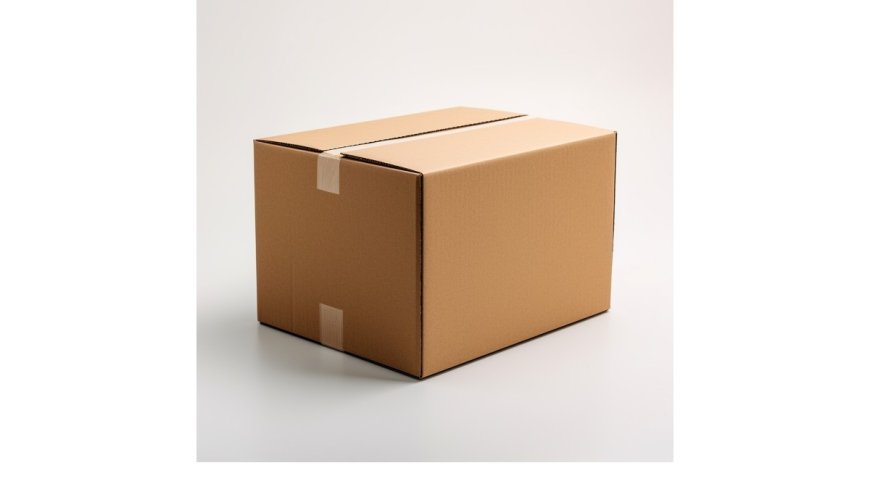
Marketplace listings describe boxes in photographs; factories describe them in specifications. When you buy corrugated boxes online from the manufacturer, you can ask for the numbers that matter — ply, GSM, bursting factor — and hold the supplier to them, because the party that quoted the spec is the party that made the board. Resellers, by contrast, often switch source factories batch to batch, which is why the ‘same’ box sometimes arrives lighter than last time.
How to vet a factory in one phone call
Separating real manufacturers from traders wearing a manufacturer’s label takes five minutes. Ask where the corrugation plant is and whether you can visit — a factory answers with an address, a trader with a subject change. Ask for the board’s GSM and bursting factor in writing on the quotation. Ask the minimum for a custom size, which a real plant can produce in the hundreds. And ask for a GST invoice with their manufacturing registration — the paperwork that separates a factory from a reselling desk. Two straight answers out of four is a trader; four out of four is a supplier worth a relationship.
Customisation opens up
The factory-direct route also unlocks what resellers cannot offer: custom sizes and branding at modest volumes. A seller of sarees, sweets or festival hampers can order kraft shipping boxes cut to the product’s exact dimensions, with a logo printed from a few hundred pieces — turning the box itself into advertising that rides free on every courier.
Working capital and the dispatch factor
Manufacturers based in packaging hubs such as Surat now run e-commerce-style operations themselves: GST-inclusive pricing published on the site, free shipping thresholds, and dispatch within three days. That reliability changes buying behaviour. Instead of hoarding two months of cartons against reseller stock-outs, a seller can hold two weeks and reorder on a schedule — releasing shelf space and cash that a small business always needs elsewhere.
When resellers still make sense
Fairness demands the caveat: for a brand-new seller testing ten orders a week, a marketplace pack of assorted boxes is a perfectly rational first purchase. The crossover comes surprisingly early, though — around 200–300 shipments a month, the savings from factory-direct rates typically exceed a month of tape and courier bags combined.
Indian e-commerce is professionalising layer by layer, and packaging procurement is next. The sellers who treat boxes as a supply relationship rather than a search result will ship cheaper, look better on the doorstep, and never again pay a mark-up for someone else’s convenience.
www.parulpackaging.com