Spinal cord injuries can result from road traffic accidents, falls, workplace and sports injuries such as diving, gymnastics and contact sports, penetrating injuries, attempted hanging, excessive weightlifting, vertebral compression, fracture or dislocation, and falls associated with syncope or giddiness.
Understanding the Level and Completeness of Injury
The impact depends on the neurological level. Cervical injuries (injuries in the neck region) can affect the upper and lower limbs. C3-C5 injuries (injuries affecting the 3rd to 5th cervical levels of the spinal cord in the neck) can cause breathing difficulties, while C5-C8 involvement (injuries affecting the 5th to 8th cervical levels in the neck) can affect upper-limb function. T1-T12 injuries (injuries affecting the 1st to 12th thoracic levels in the upper and middle back) may affect trunk control, balance and the lower limbs, while L1-L5 injuries (injuries affecting the 1st to 5th lumbar levels in the lower back) may cause lower-limb weakness. Cervical injuries may result in tetraplegia (paralysis affecting all four limbs), while thoracic or lower-level injuries may result in paraplegia (paralysis mainly affecting the lower limbs).
Patients may also experience sensory loss, bladder and bowel incontinence and sexual dysfunction. Recovery depends partly on whether the injury is complete or incomplete. In a complete injury, motor and sensory function is absent below the neurological level, including sacral segments (the lowest part of the spinal cord). In an incomplete injury, some function remains below the injury level. The ASIA/ISNCSCI assessment is used to classify the severity of spinal cord injury as ASIA grades A, B, C, D or E. During the initial weeks, spinal shock may make classification difficult, so repeated assessments may be required.
Rehabilitation Extends Beyond Initial Treatment
After emergency care, reduced mobility can cause muscle weakness, stiffness, loss of flexibility, balance difficulties and dependence on others. Pressure ulcers are a major concern when patients remain immobile or spend long periods in bed or a wheelchair. Regular repositioning, approximately every two hours, proper positioning, pressure-relieving mattresses or air or water beds, suitable wheelchair cushions, daily skin checks and adequate nutrition can help reduce the risk.
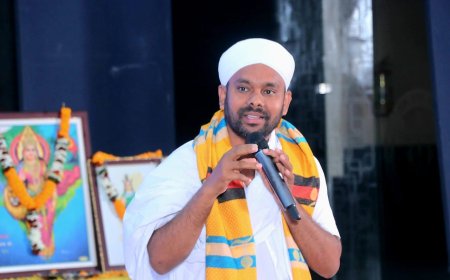
“Spinal cord injury rehabilitation is not only about trying to restore movement. It is also about helping the patient make the best possible use of the functions that remain, prevent secondary complications and regain greater independence in everyday life. Every patient has a different injury level and severity, so rehabilitation needs to be planned according to the individual's condition and functional goals.” - Dr. Kiran B. Nair, Founder, Vaidya Healthcare, Perumbavoor
A Focus on Functional Independence
At Vaidya Healthcare, rehabilitation programmes are planned according to the patient's neurological condition, existing abilities and functional goals. The programme may incorporate Panchakarma therapies, internal Ayurvedic medicines, physiotherapy, acupuncture, functional exercises and lifestyle guidance.
The focus can include sitting balance and posture, bed mobility, transfers, upper-body strength, wheelchair mobility, standing with support, walking with assistive devices where clinically suitable, joint flexibility, muscle coordination and endurance, self-care and toileting. For complete spinal cord injury with paraplegia, strengthening the upper body and muscles above the injury level can support wheelchair mobility, transfers and activities. In incomplete injuries, rehabilitation focuses on making the best possible use of residual movement and sensation. Ayurveda, acupuncture and physiotherapy may also be incorporated into pelvic-floor rehabilitation where bladder and bowel function is affected.
An Integrated Approach to Long-Term Rehabilitation
Rehabilitation may require continued support rather than a single treatment or procedure. Severe cases may focus on sitting balance, bed mobility, wheelchair use, transfers, crutch-assisted movement and self-toileting. Moderate cases may focus on standing balance, walking and independence in activities, while less severe cases may focus on strengthening, neuromuscular coordination, endurance and participation in daily, social and occupational life.
Through an individualized programme incorporating Ayurveda, selected Panchakarma therapies, internal Ayurvedic medicines, physiotherapy, acupuncture and modalities, Vaidya Healthcare aims to support flexibility, mobility and relaxation, maintain joint range of motion, manage stiffness and spasms, support sleep and stress management, and assist with bowel and bladder care. The objective is to maximize each patient’s functional potential, promote independence and support an active and productive life within the limitations of their neurological condition.