







































Standing With Bihar: Alakh Pandey’s Effort to Help Families Affected by the Floods

B
Brandpost
LATEST NEWS

“Standing With Bihar: Alakh Pandey’s Effort to Help Families Affected by the Floods”

Read more on
hindustanmetro.com
19 Sep 2026

When a flood arrives, it rarely gives families time to prepare for everything they are about to lose. Water can enter homes within hours, food supplies can be destroyed, cooking arrangements can become unusable, beds and household essentials can be damaged, and the financial pressure of simply getting through the next few days can become overwhelming. Yet the real difficulty often begins after the immediate crisis. When the water starts receding, families are left with homes to clean, essentials to replace and everyday lives to rebuild. In those moments, relief is not merely about providing something for today. It is about giving people enough stability to begin thinking about tomorrow. It is this human reality that sits behind the proposed Bihar-wide flood relief initiative associated with Alakh Pandey, an effort envisioned to reach affected families across multiple locations rather than restricting support to one or two cities.
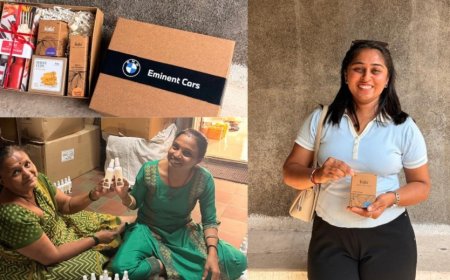
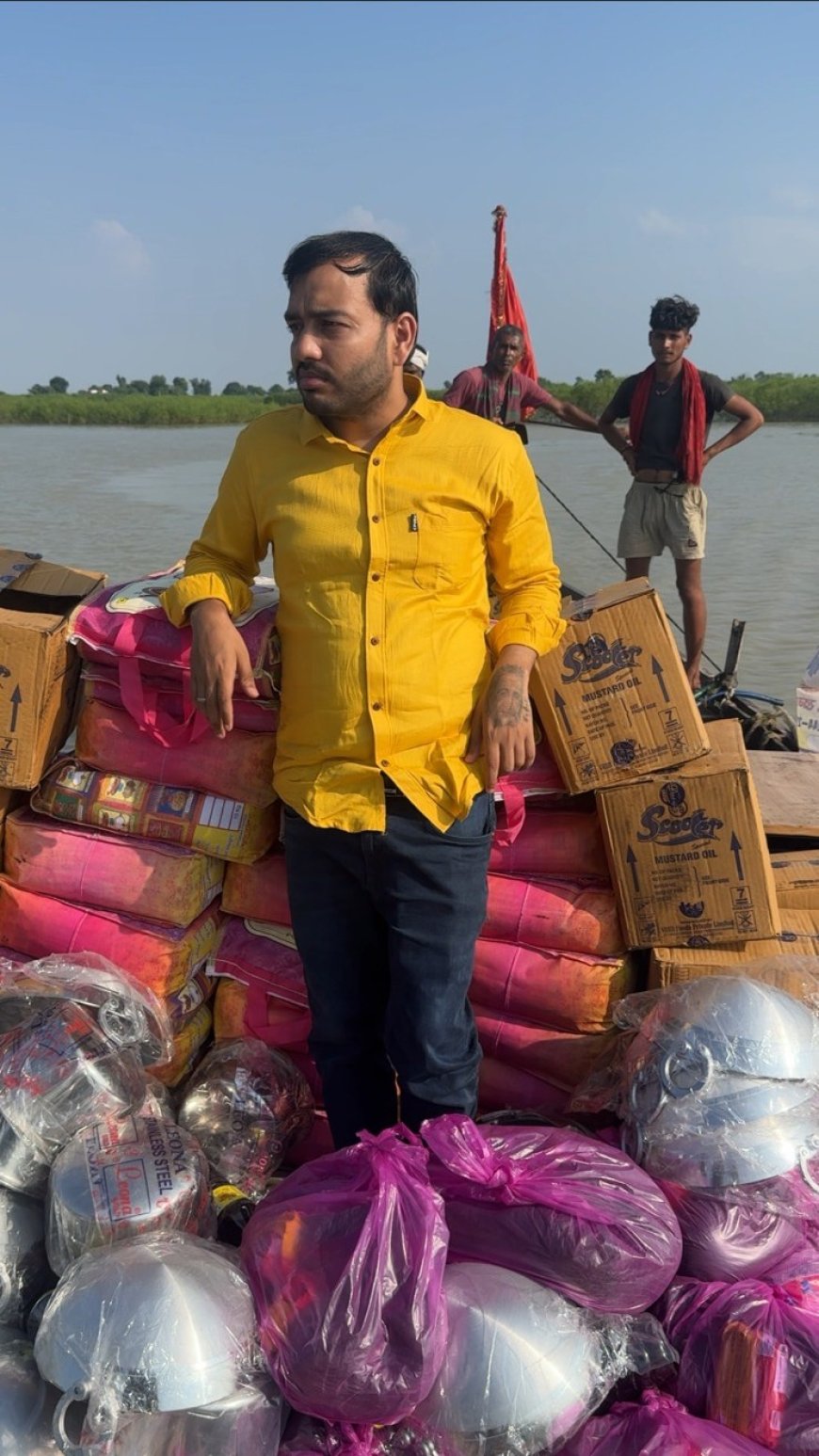
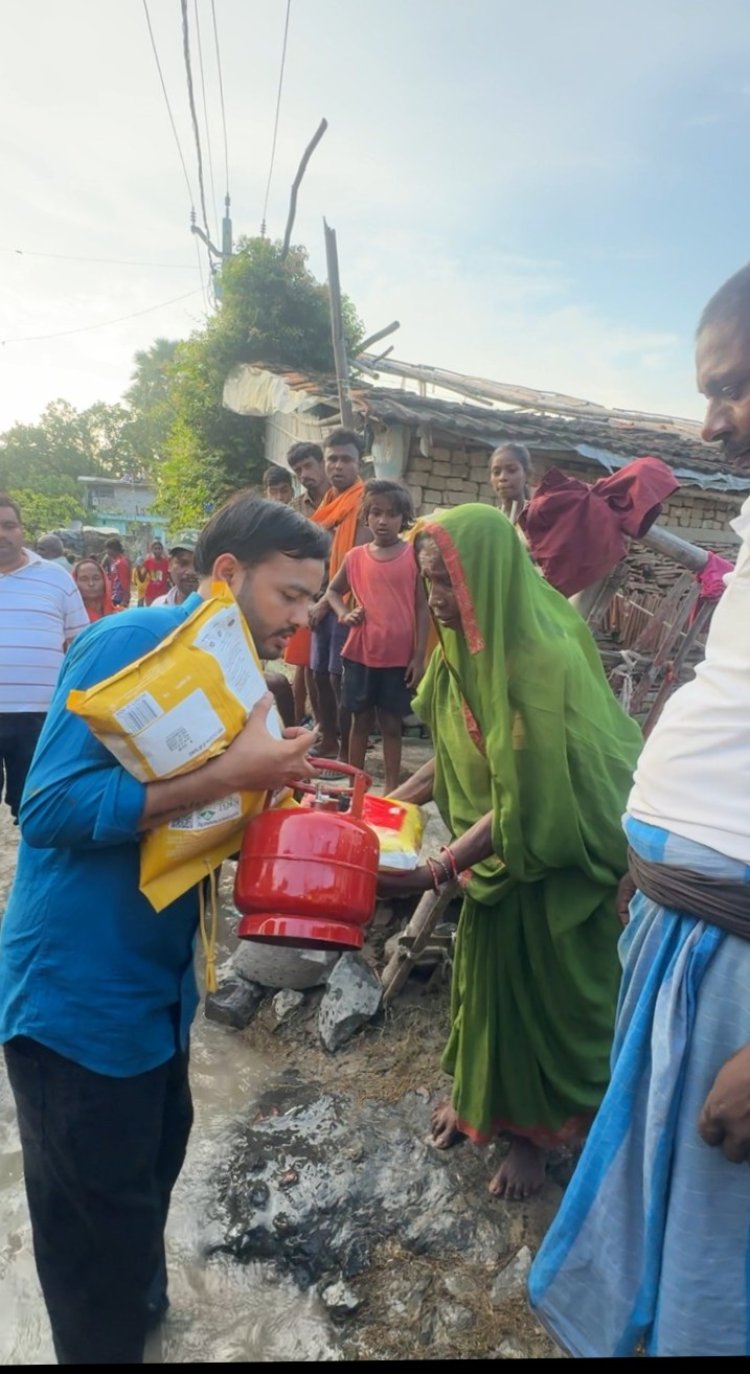
The initiative builds on an experience that has already seen 500+ families supported across multiple locations in Bihar through earlier flood-relief efforts associated with Alakh Pandey. The assistance provided in those efforts included rice, dal and essential groceries, LPG gas, beds, basic household essentials, along with other necessary financial or material support. These are simple categories, but their importance changes completely during a disaster. Food can mean that a family does not have to worry about its next meal. LPG can mean being able to cook again after normal arrangements have been disrupted. A bed can mean restoring one of the most basic elements of a household after floodwater has damaged belongings. The proposed initiative seeks to take that same practical understanding of relief and expand it into a broader effort across Bihar, with the ambition of supporting 500–700+ families, while ensuring that the final numbers remain genuine, documented and verifiable.
A Flood Is Never Just a Number
Disasters are often described through numbers because numbers help communicate scale. Hundreds of families affected. Multiple locations impacted. Thousands of people facing disruption. But behind every number is a household with its own circumstances, its own losses and its own immediate needs. One family may have lost food supplies, another may have damaged household essentials, while another may be struggling simply to cook or find a place to sleep comfortably. A meaningful relief initiative therefore cannot be built entirely around a single standard response. It has to recognise that the same flood can create very different problems for different families, and that assistance becomes more useful when it is connected to those actual circumstances.
That understanding is central to the proposed Bihar-wide approach. Rather than treating relief as a one-day event or limiting it to a small geographical area, the initiative is intended to identify affected communities across multiple locations and direct support towards families whose needs can be genuinely established. The objective is to create a relief effort that is large enough to make a meaningful difference while remaining operationally responsible. The proposed target of 500–700+ families is therefore best understood as an impact ambition, not a number to be claimed in advance. Whether the final verified figure is 500, 600, 700 or more, the credibility of the initiative should come from the households actually reached and the assistance actually delivered.
The Meaning of Ordinary Things Changes During a Crisis
There is something easy to overlook about disaster relief: many of the things people need most are ordinary things. Rice and dal are ordinary when a family has a functioning kitchen and a stable income. LPG is ordinary when there is no question about whether the next meal can be prepared. A bed is ordinary when it is simply part of the furniture in a home. But when floodwater disrupts those basic conditions, these everyday necessities can suddenly become critical.
That is why the proposed support categories are intentionally practical. Rice, dal and essential groceries can provide immediate assistance to households whose food stocks have been affected. LPG gas can help families restore basic cooking arrangements. Beds and other household essentials can help replace items that may have been damaged or lost. Where a family's circumstances require something different, additional financial or material support can provide the flexibility to address needs that cannot be covered by a standard relief package. The underlying principle is not to make relief complicated. It is to make it useful.
From Previous Experience to a Wider Vision for Bihar
The earlier support extended to more than 500 families across multiple locations provides an important foundation for thinking about what a larger initiative could look like. It demonstrates that relief can be organised across different communities and that assistance can go beyond the most immediately visible form of emergency support. The proposed campaign seeks to carry that experience forward while widening the geographical vision and creating a more structured framework for identifying and supporting affected households.
A Bihar-wide effort also changes the nature of the operational challenge. Supporting hundreds of families across multiple locations requires coordination, verification, logistics and documentation. Communities have to be identified, beneficiaries need to be verified, and assistance needs to be matched with actual requirements. The larger the campaign becomes, the more important it is to maintain clear records of who was supported and what was delivered. This is not simply about administrative discipline. It is about ensuring that the people at the centre of the initiative genuinely receive the support that the campaign promises.
Alakh Pandey and the Human Side of Relief
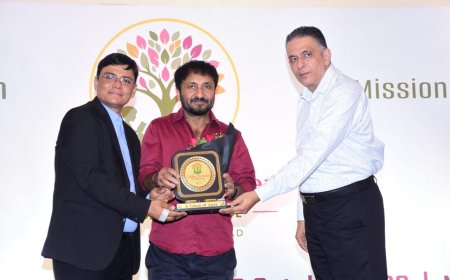
Alakh Pandey's role in this story is important because his previous involvement in Bihar flood relief provides continuity to the larger effort. But the most meaningful way to understand his role is not simply through the number of families supported. It is through the possibility of using that experience to help create a wider response at a time when communities may need assistance across multiple locations.
The strongest humanitarian campaigns are rarely defined only by the person whose name is associated with them. Their real identity comes from the people who receive the support. In this case, that could mean a parent who is able to put food on the table, a family that can cook again, a household that has a proper bed after losing basic belongings, or a community that receives practical assistance when normal systems have been disrupted. The person leading or supporting the initiative can bring attention and resources to the effort, but the families reached are ultimately what give the work its meaning.
Measuring Impact by What Actually Reaches People
The ambition to support 500–700+ families is significant, but the most important part of the initiative may be the commitment to genuine numbers. Humanitarian work carries a particular responsibility because the people involved are already experiencing vulnerability. Inflated figures or vague claims can diminish the credibility of an otherwise meaningful effort. A stronger approach is to allow the work itself to determine the final number.
If 500 families are verified and supported, that number should stand on its own. If the effort reaches 650 families, that should be documented. If more than 700 households receive genuine assistance, the expanded impact can be reported accordingly. What matters is that every number represents a real family and that every claim can be connected to assistance that was actually provided. In this context, transparency does not take away from the emotional story of relief. It strengthens it, because it allows the human impact to be understood through evidence rather than simply through messaging.


Recovery Begins With the Basics
There is a tendency to think that the end of a flood marks the end of the crisis. For the families affected, that is rarely true. The water may recede, but homes still need to be cleaned, damaged belongings need to be replaced, food supplies need to be restored and household routines need to return. People need time to recover financially and emotionally from the disruption. The first stage of recovery is often not dramatic. It is simply getting the basics working again.
That is where a practical relief initiative can have a lasting human significance. It cannot undo the damage caused by a flood, and it cannot solve every problem a family may face in its aftermath. But it can remove some of the immediate burdens that make recovery harder. A supply of essential groceries can provide breathing room. LPG can help restore a functioning kitchen. A bed can help restore a basic sense of normalcy. Material or financial support can help a family address a need that would otherwise remain out of reach.
A Larger Effort Built Around a Simple Idea
The proposed Bihar-wide flood relief initiative is ultimately built around a simple idea: when people are facing a crisis, support should reach them in a form that makes a real difference to their lives. The earlier experience of supporting more than 500 families provides a starting point. The broader ambition of reaching 500–700+ families across multiple locations creates a larger horizon. Between those two points lies the work of identifying genuine needs, organising resources, maintaining accountability and ensuring that the relief reaches the people for whom it is intended.
For Alakh Pandey, the significance of the initiative can therefore extend beyond a single relief campaign. It can represent a continued commitment to standing with families when circumstances have taken away some of their ability to manage on their own. And for the families receiving assistance, the meaning may be much simpler: someone noticed, someone came, and for a difficult moment, they did not have to face everything alone.
Because the true measure of flood relief is not how large the announcement sounds. It is what happens after the announcement, when the supplies reach the households, when the kitchens begin functioning again, when families have somewhere to sleep and when people can finally begin looking beyond the immediate crisis.
When the water recedes, rebuilding has to begin somewhere. For hundreds of families across Bihar, this initiative aims to make that first step a little easier.