Understanding Autism: Why Pre-Speech Barriers Matter
To understand why Anmol progressed so rapidly, it helps to look at the broader nature of autism. An inability to speak is rarely the only challenge a child faces on the spectrum. A cluster of underlying hurdles, including a lack of sustained attention, poor compliance, sensory processing issues, and a low intrinsic motivation to communicate, frequently act as barriers to vocal progress.
Traditional speech therapy is often a struggle if a child cannot sit still, focus, or engage with the therapist. These foundational behavioral and sensory challenges must be managed before structured speech development can truly take root. If a child is too overwhelmed by their environment or lacks the behavioral readiness to cooperate, standard therapy sessions can easily break down.
Why the Integrated Approach Works
This is where Samvaad's integrated approach proves its value. Rather than treating communication difficulties as an isolated concern, Samvaad’s therapists work dynamically across multiple domains within the exact same session. In a single hour, a therapist might simultaneously mitigate behavioral compliance issues, soothe a sensory trigger, and work directly on expanding the child's vocabulary or speech clarity.
By fusing behavioral management with language targets, Samvaad ensures that no session is wasted dealing with an uncooperative child. When frustration and behavioral roadblocks are proactively minimized, the child's learning rate accelerates significantly, making every session highly efficient and effective. This approach reflects a belief that remains central to Samvaad’s clinical philosophy: every session counts.
A Multidimensional Assessment and Strategy
This synchronized methodology was the driving force behind Anmol’s customized program. His initial clinical assessment revealed mild autism, characterised by unusual language development, limited social skills, and repetitive play patterns.
Initially, the team relied heavily on ABA principles to build functional intent, teaching Anmol how to use words purposefully to make requests and answer questions. As his attention, compliance, and cognitive understanding improved, speech therapy strategies were layered seamlessly alongside the behavioral interventions to expand his sentence structures and support natural social communication. This approach reflects Samvaad’s core belief that progress in one developmental area directly unlocks potential in another.
Decades of Specialized Clinical Leadership
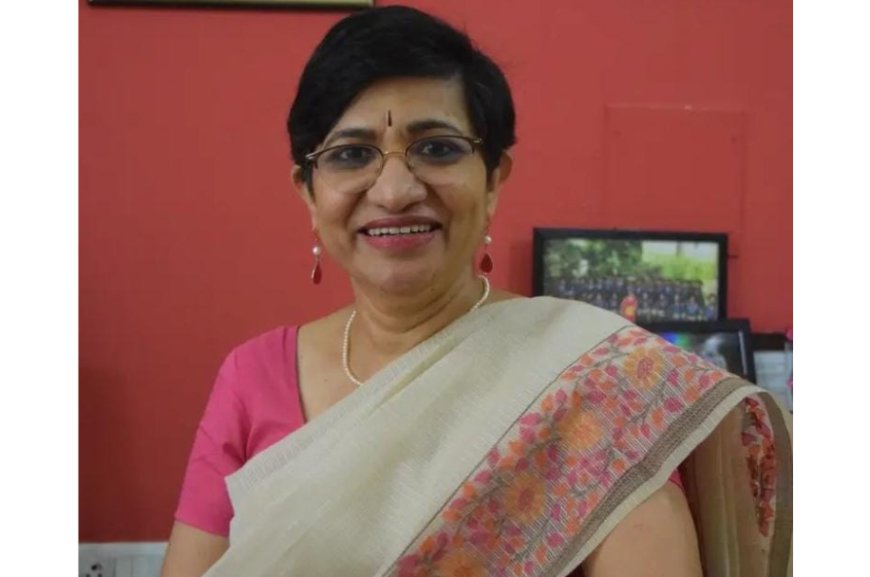
Founded by Radhika Poovayya, the Samvaad organisation has worked in the fields of speech, language, hearing, and behaviour therapy for over two decades. The clinical centre first opened its doors in 2002, followed by the establishment of the Samvaad Institute of Speech and Hearing in 2005. Today, the institute also serves as a hub for professional education, training the next generation of speech pathologists and audiologists through direct clinical exposure.
Poovayya’s unique academic and professional background heavily shapes Samvaad’s integrated model. She holds a master’s degree in Speech and Hearing from the All India Institute of Speech and Hearing (AIISH) and a master’s degree in Behaviour Analysis from the Florida Institute of Technology. As a US Board Certified Behavior Analyst (BCBA), Poovayya pioneered the integration of ABA methods into speech therapy in India, making her the first Speech-Language Pathologist in the country with a double major in both fields.
The Power of Parent Partnership
A cornerstone of Samvaad’s evidence-based model is its emphasis on active family participation. Recognising that clinical milestones must translate into everyday life, Samvaad actively trains parents in therapeutic techniques. This allows children to practice communication, behavioural, and social skills in natural, home environments.
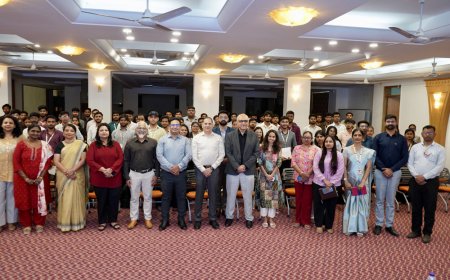
Beyond its daily clinical work, the organisation has long advocated for professional education and public awareness surrounding developmental disorders. In 2008, Poovayya anchored this mission by organising a landmark ABA Conference in Bengaluru.
Success stories like Anmol's demonstrate that developmental progress is rarely linear. By bringing communication, learning, behaviour, and family collaboration under a single therapeutic framework, Samvaad continues to offer a holistic roadmap for families navigating developmental disorders.