The Gap Between Policy Design and Policy Reality
India has come out amazingly in various spheres of development in the last 20 years. The numbers in schools have risen significantly, public services have been expanded with digital governance, and social welfare programs have reached millions of people, according to the government's statistics.
Yet, challenges remain. Even the Annual Status of Education Report (ASER) has persistently pointed to learning gaps that exist for school children. Likewise, analyses of health, rural development, and social protection policies often expose discrepancies between policy goals and the ground-level impact of these policies.
This gap is due to the fact that implementation environments may be assumed to be the same throughout the country. But in fact, India is extremely diverse. Social, economic, cultural, and/or infrastructural issues may present altogether different challenges to a policy that is effective in one district as compared to another.
Lessons from the Classroom
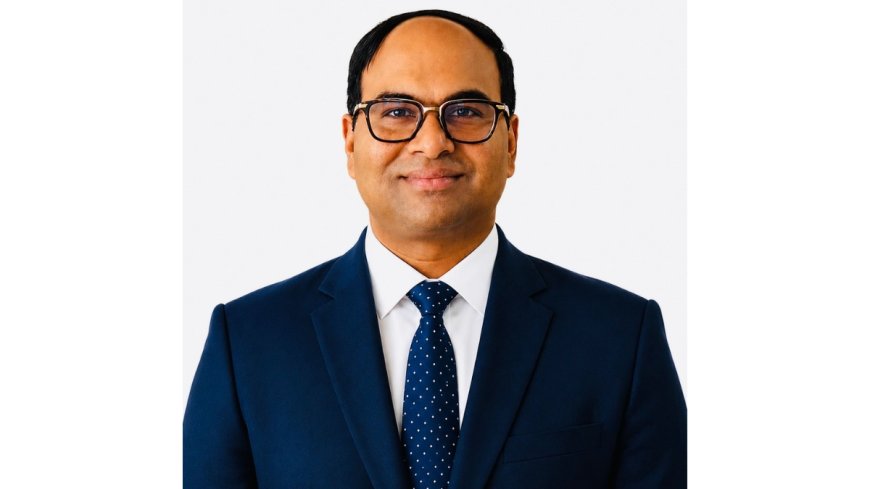
As a teacher, my experiences of policy started in the classroom. Early in my career, I was a teacher of students studying for UPSC, State PSC, and competitive exams. Most of these students were from rural and semi-urban communities, lacking access to educational resources.
Their stories showed that there were issues that statistics could not fully answer. Some came a long way to school. Some had a language barrier, others had poor internet connection, and others had financial issues. But they had a tremendous will to fight and skill.
The experiences have taught me that educational inequality is not a simple matter of schools. It is linked to transport, digital infrastructure, family income, social perception, and local governance. These interrelated realities give a fuller basis for crafting education policies to be effective.
Why Field Experience Creates Better Policy
Around the world, it is becoming accepted that community involvement in policy-making is more likely to be effective. Citizen participation has been consistently demonstrated to enhance policy outcomes in terms of effectiveness and trust by research organizations like the World Bank and the Organisation for Economic Co-operation and Development (OECD).
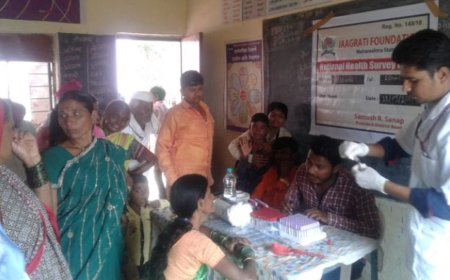
As a child protectionist, educator, and rural development specialist, I have witnessed the missed opportunities that local knowledge brings to uncover issues that are not evident in larger studies. From school dropout rates to child marriage and public education on government initiatives, community engagement often represents the missing link.
Building a New Generation of Policy Leaders
One of the most powerful lessons I've learned is that sometimes it's better to listen than to talk to the world in terms of public policy.
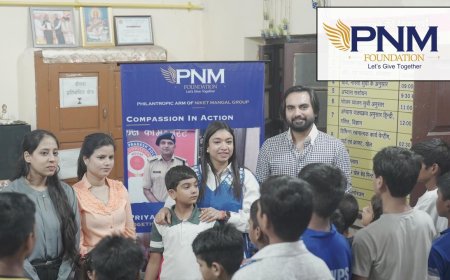
We collaborated with district administration, schools, women groups, and panchayats in Rajasthan, Madhya Pradesh, and Bihar to curb child marriage in their respective states during campaigns. The difficulties were different in different regions. Economic pressures were the number one issue in some places. Social norms had a greater influence on others.
One size would have fit all wouldn't have worked. Only after gaining some awareness of local context and engaging communities in dialogue did effective interventions come to the fore.
Creating a New Generation of Policy Leaders
Students aspiring to be the policy leaders of the country should be encouraged to spend time outside of offices and institutions. Learning is a key part of the process, but it must be complemented by community engagement.
The future administrator, advisor, and policy maker should have opportunities to work in schools, rural development projects, local governance projects, and grassroots organizations. This helps to cultivate empathy, real-world knowledge, and an understanding of the issues citizens encounter.
The need for evidence-based policymaking will continue to increase as India continues its path of development. Evidence should be quantitative as well as lived experiences, though. Numbers can tell us what is going on; people can tell us why it is going on.
Conclusion
The purpose of public policy is to make things better for people. To accomplish that objective, policymakers need to grasp the data, theory, and the many lived realities of the communities they serve.
My experiences, from the classroom to influencing policy and social development efforts, have always been underlined by one simple premise: that social development starts with social understanding and meaningful understanding, which begins with meaningful policy. Statistics, humanity, and practicality are added to ambitious ideas via ground-level experience.
India is facing more complex social and economic issues, and the country requires leaders who can seamlessly move between communities and committees. Effective governance in the future will rely on problem analysis as well as their proximity to the people concerned.