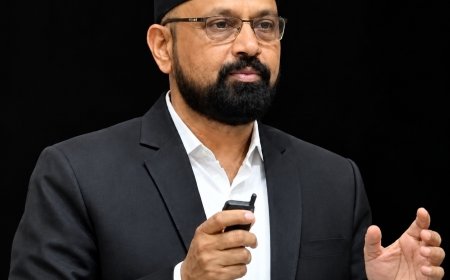
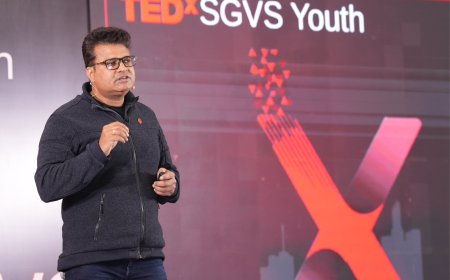
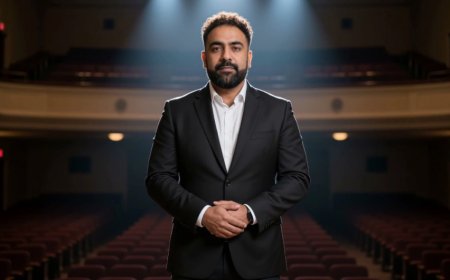
An Assistant Professor of Sociology at Amity University, Noida, Dr Tomar combines his academic understanding of social structures with storytelling to examine issues that extend beyond geographical and political boundaries. His literary journey includes narratives inspired by the Russia-Ukraine war and the ecological challenges facing Joshimath in Uttarakhand.
His works focus on the people behind major events, bringing attention to their struggles, relationships, aspirations and efforts to preserve their dignity in difficult circumstances.
Exploring the Human Consequences of War
Dr Mayank Tomar's Hindi novel लहू बोते मानव (Lahoo Bote Maanav), published in 2024 by BlueRose Publishers, examines the human consequences of the Russia-Ukraine war. Instead of focusing exclusively on political developments and military strategies, the novel brings attention to the experiences of ordinary individuals caught in the middle of an international conflict.
The story follows Sandhi, an Indian medical student stranded in war-affected Ukraine. Her struggle for survival gradually develops into a journey shaped by compassion, sacrifice, courage and the desire for peace.
Through the protagonist's experiences, the novel explores how warfare disrupts education, relationships, personal ambitions and the sense of security that individuals often take for granted. It also highlights the importance of humanity and solidarity during times of crisis.
The novel was subsequently made available to English-language readers as Blood Sowing Humans, allowing its central themes to reach a wider audience.
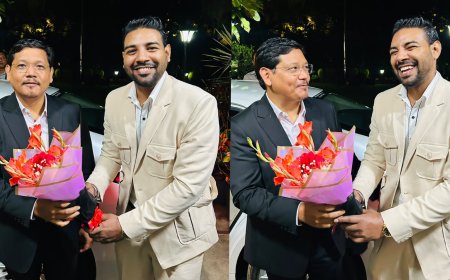
Dr Tomar's engagement with the subject has also extended into diplomatic and cultural discussions, including interactions with Ukrainian Ambassador Dr Oleksandr Polishchuk and German Embassy Minister Counsellor Marius Osswald. His literary approach reflects the belief that storytelling can encourage meaningful conversations about conflict, human responsibility and the possibilities of peace.
Vikas Ki Dararein Examines the Joshimath Crisis
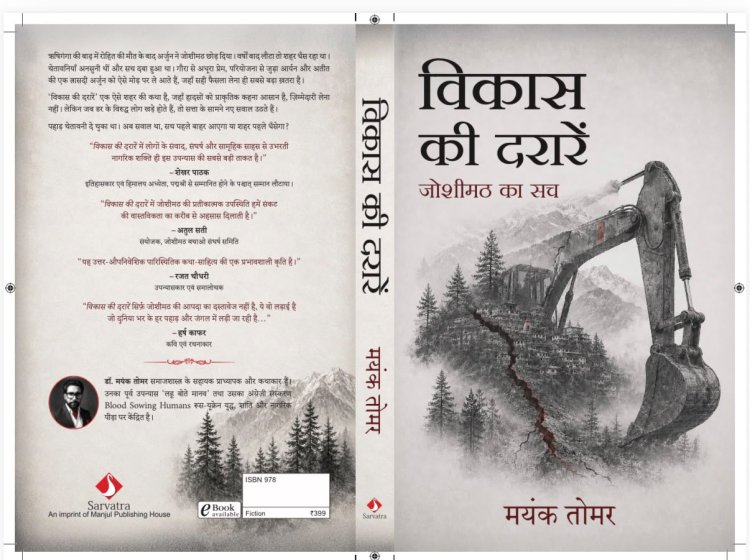
Moving from international conflict to environmental concerns in India, Dr Tomar is preparing to introduce his forthcoming Hindi novel, विकास की दरारें (Vikas Ki Dararein). Expected around 15 November 2026, the book will be published under Sarvatra, an imprint of Manjul Publishing House.
Set against the backdrop of land subsidence and ecological vulnerability in Joshimath, Uttarakhand, the novel examines the complex relationship between infrastructure development, environmental sustainability and the well-being of local communities.
The story follows Arjun, a geologist who continues to carry the emotional burden of losing his friend during the 2021 Rishiganga disaster. His return to Joshimath brings him face-to-face with the challenges confronting the Himalayan town and raises difficult questions about institutional accountability, development priorities and environmental responsibility.
Through characters such as Goura and Aryan, an engineer associated with a hydropower project, the narrative presents different perspectives on progress and its consequences. It explores how development decisions can affect communities whose homes, livelihoods and cultural connections are closely linked to their natural surroundings.
At its core, Vikas Ki Dararein raises an important question: when development decisions are taken elsewhere, why should local communities bear the greatest consequences?
The forthcoming novel has also received literary responses from writers and commentators, including environmental historian Padma Shri Shekhar Pathak, writer Rajat Chaudhuri, and commentators Harsh Kafaar and Atul Sati.
Connecting Sociology With Literary Storytelling
A significant aspect of Dr Tomar's work is the connection between his academic research and literary interests. He holds a PhD in Sociology from Dr Harisingh Gour Central University, Sagar, and has also pursued postgraduate education at the University of Hyderabad.
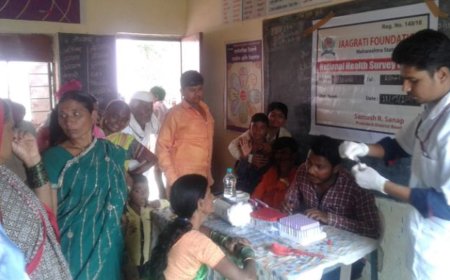
His academic specialisations include the sociology of health, Indigenous communities and social institutions. His doctoral research examined community health and contesting agencies among the Baiga tribe of Madhya Pradesh.
He has also contributed to research concerning Indigenous medical healing practices among Baiga and Bhariya communities, alongside academic interests in biodiversity, livelihoods and traditional knowledge systems.
These experiences inform his understanding of how institutions, development policies and social inequalities influence everyday lives. His writing reflects an interest in communities whose experiences often remain underrepresented in mainstream discussions.
Literature That Encourages Social Reflection
Across Lahoo Bote Maanav, Blood Sowing Humans and Vikas Ki Dararein, Dr Tomar explores a common concern: the human consequences of decisions made by powerful institutions and larger systems.
Although war and environmental development represent different subjects, both involve questions of vulnerability, displacement, power and social responsibility. His narratives attempt to bring these questions closer to readers through individual experiences rather than relying solely on statistics or policy discussions.
His broader literary interests also include illness, personal dignity, family relationships and the emotional dimensions of social life.
As Vikas Ki Dararein approaches publication, Dr Mayank Tomar continues to develop a literary voice that connects contemporary realities with sociological perspectives. From the conflict in Ukraine to the ecological challenges of Joshimath, his work highlights the importance of understanding how major events shape ordinary human lives.
Through his combination of academic inquiry and creative storytelling, Dr Tomar seeks to make literature a space for questioning, reflection and dialogue about the challenges facing society.
About Dr Mayank Tomar
Dr Mayank Tomar is an Indian novelist, sociologist and Assistant Professor at Amity University, Noida. His literary works include the Hindi novel Lahoo Bote Maanav and its English-language version, Blood Sowing Humans. His forthcoming novel, Vikas Ki Dararein, explores the environmental and human dimensions of the Joshimath crisis. His academic interests include sociology of health, Indigenous communities, environmental justice and social inequalities.