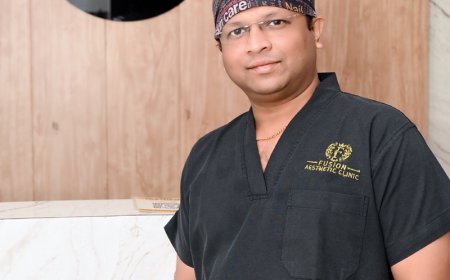
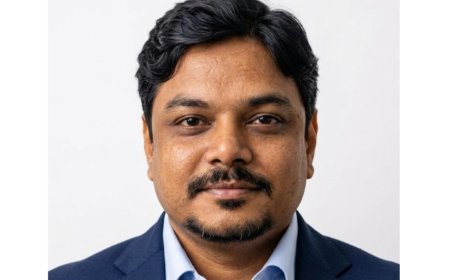
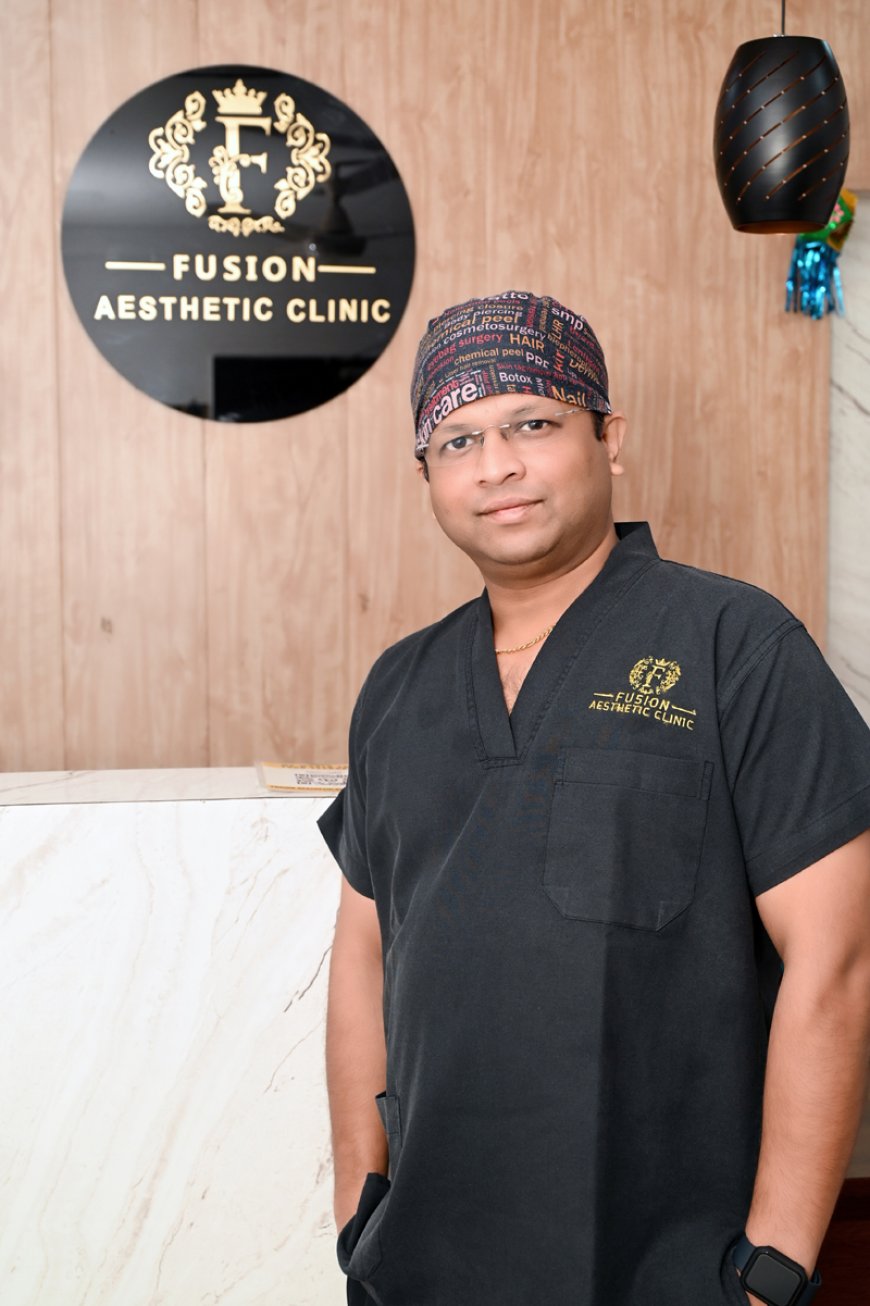
He also discusses the importance of ethical medical practices, patient awareness and India's potential to emerge as a leading destination for scientifically backed hair restoration and aesthetic medicine.
1. Dr. Pranil More, hair loss is increasingly becoming common among younger individuals. From your clinical experience, what are the primary factors driving this trend, and how are changing lifestyles, stress and environmental conditions affecting hair health?
From my clinical experience, hair loss among younger individuals is increasingly linked to genetic predisposition, hormonal imbalances, nutritional deficiencies, and poor lifestyle habits. Rising stress levels, inadequate sleep, unhealthy diets, and environmental pollution can further contribute to hair thinning and reduced hair health. Increased screen time and irregular daily routines may also indirectly affect overall well-being. Early diagnosis, proper nutrition, stress management, and timely medical intervention are essential to managing hair loss effectively.
2. Dr. Pranil More, how has the field of hair restoration evolved in recent years? What are the most significant medical breakthroughs and technological advancements that are improving treatment outcomes and patient experiences?
Hair restoration has evolved significantly in recent years, with advancements in techniques such as FUE, Sapphire FUE, and advanced implantation methods making procedures more precise and minimally invasive. Improved graft extraction, better implantation tools, and refined surgical techniques have enhanced natural-looking results, graft survival, and recovery experiences. Additionally, treatments such as PRP and GFC are offering supportive options for managing hair loss. Today, the focus is not just on restoring hair but also on achieving natural results, patient safety, and personalised treatment plans.
3. With AI and advanced diagnostic technologies entering healthcare, how do you see their role in transforming hair restoration? Can these technologies help specialists identify hair loss patterns earlier and develop more personalised treatment plans?
AI and advanced diagnostic technologies have great potential to transform hair restoration by helping specialists analyse scalp conditions, hair density, and hair loss patterns more accurately. These technologies can support early detection, monitor hair loss progression, and help identify the most suitable treatment approach for each patient. By combining AI-based analysis with clinical expertise, we can develop more personalised treatment plans, improve treatment monitoring, and achieve better patient outcomes.
4. Dr. Pranil More, the growing popularity of hair restoration has also led to an increase in unrealistic treatment claims and misinformation. What should patients evaluate before choosing a hair restoration procedure, and how can medical professionals ensure ethical and transparent practices?
Patients should always evaluate the doctor's qualifications, clinical experience, treatment approach, and the clinic's credibility before choosing any hair restoration procedure. They should be cautious of unrealistic promises, guaranteed results, and misleading advertisements, as every patient's hair loss condition is different. As medical professionals, it is our responsibility to provide honest consultations, explain the benefits and limitations of each treatment, and maintain transparency about costs and expected outcomes. Patient safety, ethical practices, and realistic expectations should always come first.
5. Looking ahead, how do you envision the future of India's hair restoration and aesthetic medicine industry? What opportunities do you see for India to become a leading destination for advanced, accessible and scientifically backed hair restoration treatments?
I believe India's hair restoration and aesthetic medicine industry has tremendous growth potential, driven by increasing awareness, advanced medical technologies, and growing demand for quality treatments. India has the opportunity to become a leading destination by combining skilled medical professionals, modern techniques, international standards, and cost-effective treatment options. The focus should be on research-driven practices, patient safety, ethical medical care, and natural-looking results. With continued innovation and accessibility, India can establish itself as a trusted global destination for hair restoration and aesthetic treatments.