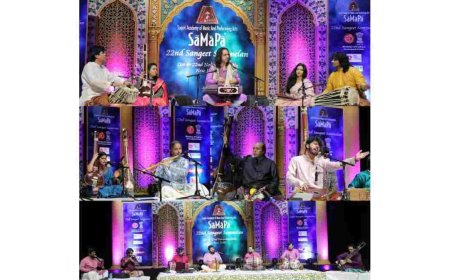
This is an opportunity for India to have a special edge in this transforming scenario. Of all countries in the world, India has the most depth and diversities of culture. We have now been attracting a global interest in our traditions, languages, literature, music, festivals, cuisine, yoga and ayurveda and democratic values for decades. These are not merely a symbol of our heritage, rather they have become a bridge of sorts between India and millions of people across the globe.
As I worked in the field of international business relations, I have come to understand that a relationship can not be maintained solely based on contracts. Trust is created through understanding and agreements can start the discussion. People who value each others' culture and values find it easier to talk, more effective to work together, and more enriching to relate. Understanding is sometimes the key that opens the door, which formal diplomacy cannot.
India's global diaspora is a huge asset that gives it strength of more than billions of dollars. Millions of Indians are now living outside India, and are unpaid, unofficial ambassadors of Indian values, work ethics and culture. Whether they are scientists, entrepreneurs, doctors, teachers, researchers, business leaders or anything else, they play their part in strengthening India's reputation in the professional sphere and in society every day.
The educational field is another field in which India can contribute to making a positive impact. Thousands of Indian students go abroad for study in a year while more and more foreigners are coming to India for education. Universities are not only places to learn, but also to make friends, exchange ideas, and gain insight into other societies. These connections can last well beyond graduation and prove to be valuable and effective foreign policy resources later on.
A new dimension of cultural diplomacy adds technology. Today, an artist from the city of Jaipur may meet with people in the world with a smart phone and internet connection; a teacher from the city of Pune with a smartphone and internet connection can meet with a Jaipur artist. The Indian creators, teachers, filmmakers, musicians and innovators are sharing their creations with the world in unique ways than ever before. This virtual space is helping to bring about India which is modern, innovative and yet rooted in traditions.
Cultural diplomacy is not just about presenting yoga, food, films or festivals, either. It also provides an opportunity to demonstrate that there is good in this nation. The democratic institutions, tradition of living together and acceptance of diversity are always an integral part of the Indian identity. These values are universal, particularly in a world that is divided and uncertain.
My personal experience is that the best international partnerships are established when countries view each other as partners, not just markets. I have come across numerous situations in which negotiations with international bodies or business delegations are much more fruitful when both parties are interested in knowing a little more about the other's culture and are respectful of each other. While the business can start the conversation, cultural awareness may keep the conversation going.
It is especially the responsibility of the next generation. In today's world, the young Indian is more connected with the world than ever before. They are studying abroad, building startups, doing research, creating digital content and representing India in various international forums. They are able to demonstrate a confident, inclusive, innovative and civilisational roots India.
The economic expansion and strategic partnership between India and the rest of the world will help to define the nation's path in the coming years. Those will not be the only things that will be remembered by the world. The countries that will stick with me are those that engage in trust, ideas and real human connections.
Cultural diplomacy is not a substitute for economic growth but a союз with it for India. Our culture, education, our values, our people, when they work alongside with our economic aspirations, they bring an influence which is respected and lasting. This is what India should emulate over the next 10 years as a global leader.