This happens to a lot more Indian women than most realize. While a study supported by ICMR estimates the prevalence of PCOS between 7.2% and 19.6% among Indian women, the range varies based on the research criteria used; one thing remains consistent: irregular periods are the most common symptom reported by affected women.
However, despite all that, up to 70% of women suffering from PCOS remain undiagnosed for years, as many mistake these unusual periods for normal variations.
What Counts as Irregular Periods?
A period cycle of 21 to 35 days is considered a normal period cycle, and even slight variations from that pattern usually do not carry any significant meaning. However, consider consulting your gynecologist if you experience the following:
● Cycles under 21 days, or stretching past 35.
● No period for three months or more.
● Heavy bleeding that may soak a pad or tampon within an hour.
● Spotting that shows up between periods.
● Cycle length that swings wildly from one month to the next.
A single off month usually isn't worth losing sleep over. A pattern that keeps repeating is a different story.
What's Actually Driving This?
Several things can knock your cycle off track, and knowing which one applies to you shapes the whole treatment path.
Hormones cause most of it. PCOS tends to top the list for younger women, though an underactive or overactive thyroid can just as easily be the culprit, often without anyone thinking to check it first.
Weight swings mess with the hormones that trigger ovulation. A noticeable jump or drop can shift a cycle on its own.
And stress? It's not the vague catch-all it sometimes gets treated as. It interferes with the hormonal signaling that runs your cycle, and when it's bad enough, a period can get delayed or skipped altogether.
Perimenopause brings its own kind of unpredictability, usually starting sometime in a woman's 40s as hormone levels begin shifting ahead of menopause.
Fibroids and polyps are in a different category altogether. These are structural, not hormonal, and they tend to cause heavier or more erratic bleeding regardless of what your hormones are doing.
A few medications play a role too, including certain birth control methods and blood thinners, simply as a side effect of how they work.
Can You Do Anything About This?
Not every cause is preventable. But a few habits do genuinely help keep things steadier:
● Keep your weight fairly stable, since sharp changes in either direction throw hormones off
● Find a stress outlet that works for you, whether that's sleep, exercise, or something else entirely
● Get your thyroid checked regularly, especially if it runs in the family
● Skip crash diets. They tend to shock the hormonal system harder than people expect
None of this guarantees a perfectly regular cycle. Some causes are simply outside your control. But these habits do tilt things in your favor.
How Do Doctors Get to the Bottom of It?
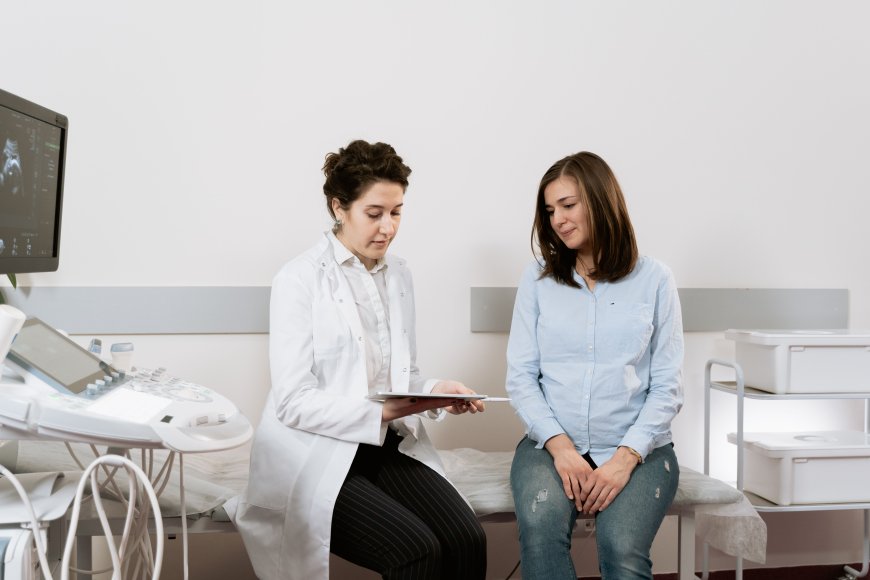
A gynecologist usually starts by having a detailed conversation about your period cycle. They ask about:
● Blood tests
● Pelvic ultrasound
● Blood sugar and insulin testing
● A physical exam to rule out anything else in play.
Most people get through the procedure in one or two visits, and nothing intrusive will happen.
What Treatment Usually Looks Like?
There is no cure-all solution because everything depends entirely on the reason behind the problem. Based on that, you may receive any one of the following treatments:
● Hormonal birth control, when PCOS or a broader hormonal imbalance is behind it.
● Thyroid medication, if thyroid dysfunction turns out to be the cause.
● Metformin or something similar, when insulin resistance is part of the picture.
● Support with weight management.
● Surgery for fibroids or polyps.
● Stress therapy or lifestyle changes.
A proper diagnosis always helps narrow down the irregular periods treatment plan based on each patient’s history.
Does This Affect Fertility?
It can. Irregular cycles usually mean irregular or absent ovulation, which makes timing conception harder and, in some cases, makes conceiving harder altogether. That's exactly why chasing down the underlying cause matters, not just for comfort day to day but for whatever family planning looks like down the road, soon or years from now.
That’s why many women get a diagnosis only when they try to conceive and hit a wall.
A few situations call for an actual visit rather than more waiting. Three irregular cycles in a row. Bleeding heavy enough to disrupt your day. Any bleeding at all after menopause. Struggling to plan a pregnancy because your cycle won't cooperate also counts, and so does simply wanting to know what's normal for you specifically. A gynecologist in Nagpur can run the right tests and rule out anything serious in short order, rather than leaving you to piece it together on your own.
The Bottom Line
Common does not necessarily mean harmless, let alone that it can be ignored. On the contrary, most of those conditions prove to be treatable upon being treatable once diagnosed. A gynecologist can easily find out the reason behind irregular periods and help you with the best treatment for the same. Their consultation can help improve your health and also ensure peace of mind.